What Is a Container Pool?
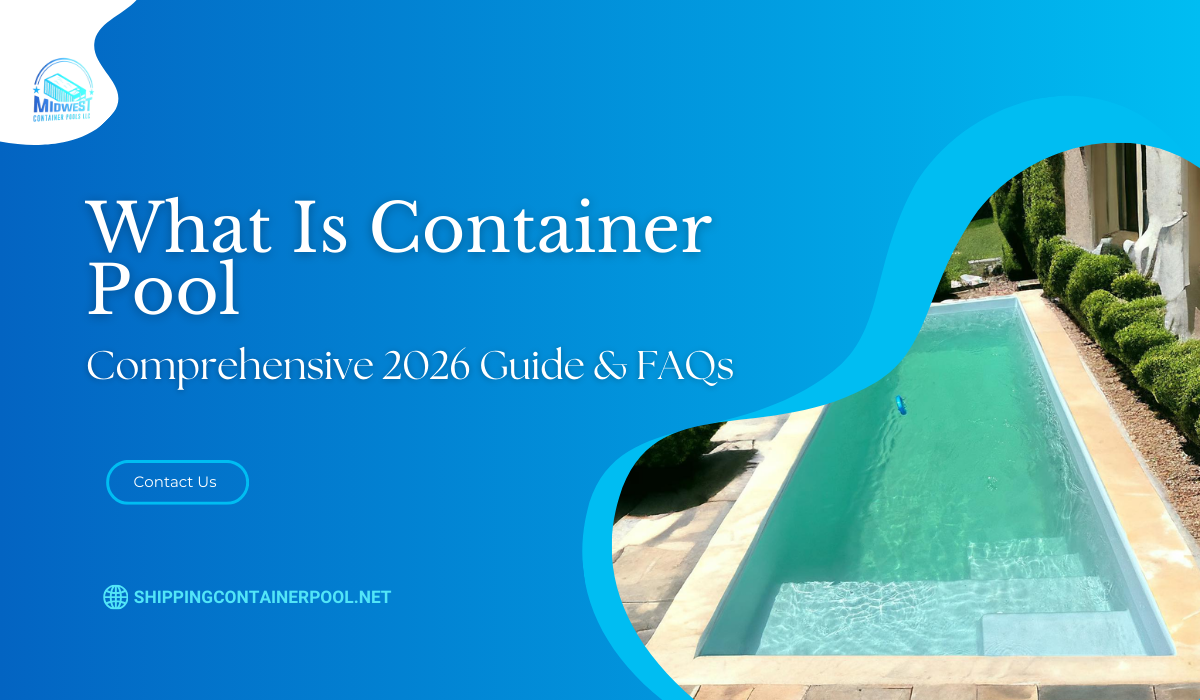
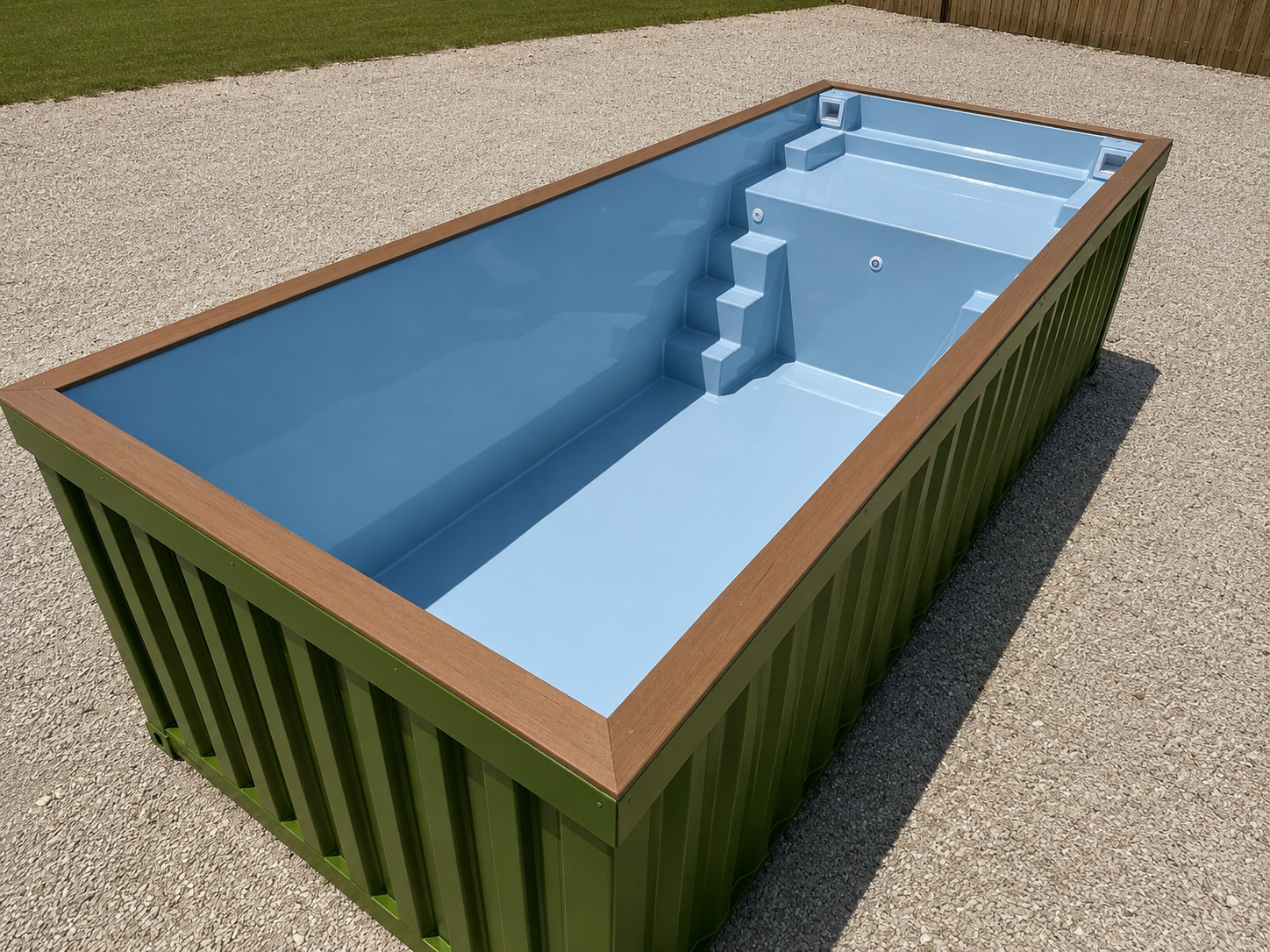
A container pool is a swimming pool constructed by converting a steel shipping container into a watertight pool shell. In simple terms, builders take a long, rectangular steel cargo container and transform it into a fully functional backyard pool. The process involves reinforcing the container’s structure, adding plumbing and filtration, and lining the interior with a smooth, waterproof surface. The result is a durable, prefabricated pool with a sleek modern aesthetic – an alternative to building a traditional concrete or fiberglass pool from scratch. Because they start as industrial shipping containers made of heavy-duty Corten steel, container pools are extremely strong and resistant to cracking or deformation. They retain the container’s toughness but are customized for swimming comfort (with finishes, insulation, and pool equipment added).
Container pools have surged in popularity as a fast and cost-effective way to install a pool. Unlike a concrete pool that can take months of messy construction, a container pool is largely built off-site and delivered ready-to-use. This can cut installation time down to days or weeks, since the pool arrives as a pre-made unit that just needs placement and hook-up. Homeowners often save significant construction time – the container shell can be craned into your yard and filled with water long before a concrete pool would even be half-finished. Container pools also tend to cost less than traditional inground pools, in part because you’re repurposing an existing structure and avoiding extensive on-site labor. In fact, industry experts note that container pools can be roughly half the price of a comparably sized concrete pool. Beyond saving time and money, these pools use less water (they’re usually smaller volume than a large custom pool) and, when properly insulated, can be more energy-efficient to heat. Overall, a container pool combines strength, sustainability (recycling a shipping container), and contemporary design – which is why more and more homeowners are intrigued by the concept.
Why Are Container Pools So Popular?
In recent years, shipping container pools have moved from a niche idea to a mainstream trend. There are a few key reasons behind the rise of container pools:
Fast Installation:
People love that a container pool can be up and running quickly. The pool is built in a factory and delivered as a unit, drastically reducing the on-site construction time and disruption in your yard. If you want a pool by summer, a container pool lets you skip the 2–3 month construction slog of a concrete pool.
Affordable Alternative:
Container pools offer a middle-ground price point – more expensive than a simple above-ground kit pool, but significantly more affordable than a custom inground concrete pool. Many buyers who find concrete or fiberglass pool quotes too high are opting for container pools as a budget-friendly way to get a stylish pool. (It’s important to note “affordable” doesn’t mean cheap – it’s still a significant investment, but you often get premium features for less cost than traditional builds.)
Modern Aesthetics:
The look of a container pool appeals to fans of modern design and repurposed architecture. The long, rectangular shape with clean lines fits well in contemporary landscapes. With creative exterior cladding (wood, stucco, etc.), these pools can become an eye-catching architectural feature. They’ve been featured in design magazines and social media, boosting their trendiness as a “cool” backyard centerpiece.
Eco-Friendly Reuse:
There’s a sustainability angle – each container pool
upcycles a shipping container that might otherwise sit unused or be scrapped. Using an existing steel structure means fewer raw materials for a new pool build. Additionally, container pools tend to be smaller and can be insulated, which means they often use less water and energy over time. Environmentally conscious homeowners and builders appreciate these green benefits.
Unique Uses and Settings:
Container pools aren’t just for suburban backyards. They’re being used in a variety of settings:
- Small Urban Yards: The compact footprint (typically 8 feet wide) allows a container pool to fit in narrow or limited spaces where a standard pool couldn’t. For example, a 20-foot container pool only needs about a 10×25 ft area, making it viable even in small city backyards.
- Rooftops and Decks: In commercial or high-end residential projects, container pools have been placed on rooftop terraces or elevated decks (with structural engineering) to create a luxury pool experience in non-traditional locations.
- Vacation Rentals & Hotels: Short-term rental owners (Airbnb, etc.) and boutique hotels install container pools as a quick way to add a
wow factor for guests. The distinctive look photographs well for listings, and the pool itself can often be moved or repurposed if needed. Some resorts use container pools as
insta-worthy plunge pools or rooftop infinity pools to stand out on social media.
- Temporary or Mobile Events: Because they’re self-contained units, container pools can even be used for events or “pop-up” installations. For instance, a container pool could be transported to a music festival or sports event to serve as a mobile swimming venue, then removed afterward – something not feasible with permanent pools.
All these factors have fueled the container pool craze. Media coverage calling them “one of the coolest backyard trends” has further accelerated interest. By 2026, container pools are no longer an odd experiment – they’ve become an accepted option for homeowners seeking a modern, durable, and often faster alternative to a traditional pool build. As more manufacturers enter the market and refine their designs, we can expect container pools to continue growing in popularity.
How a Container Pool Is Built (Step-by-Step)
Building a container pool involves transforming a standard steel cargo container into a leak-proof swimming pool. This is a complex engineering process that experienced manufacturers have mastered. Here is an overview of the typical steps to create a container pool:
1. Selecting and Preparing the Container
Everything starts with the shipping container itself. Builders usually source a high-quality steel container – often a “one-trip” container, meaning it’s almost new (only used once for cargo). Using a newer container ensures the walls and floor are in good condition, without significant dents or rust. Structural integrity is crucial, so the container is thoroughly inspected for any damage or corrosion that could weaken it. Standard container sizes used for pools are 20 feet or 40 feet long (8 feet wide, and about 8.5 feet tall). The 8×20 ft size is common for a plunge pool or swim-spa, while 8×40 ft can make a lap pool or a pool/spa combo. Once a suitable container is chosen, it’s cleaned and prepped for modification. Any residual flooring (often wood) may be removed or sealed, and the exterior paint might be stripped if it’s in poor shape. Essentially, this step is about ensuring the container is a sound blank canvas for the pool conversion.
2. Structural Modifications and Reinforcement
Next, the container undergoes heavy modification to become a pool shell. This involves cutting and reinforcing steel:
Cutting the Opening:
Typically, the top of the container (the roof panel) is cut off to create the open top of the pool. Sometimes sections of the sides are also cut (for example, if adding a window or a shallow lounge area). Cutting out panels removes some structural support, so careful reinforcement is needed.
Welding Reinforcements:
Steel beams or braces are added to critical areas to strengthen the modified container. The long side walls, for instance, must hold back the pressure of water once the pool is filled. Builders weld additional steel framing along the top edges and sides to prevent bowing outward. The floor may also be reinforced with cross-members or a secondary frame, since it will carry the weight of thousands of gallons of water. All cut edges and new welds are treated to prevent rust (the raw steel is primed and coated because cutting exposes bare metal). By the end of this phase, the container still looks like a rectangular box, but it’s been converted into a
structurally sound pool shape, ready to be waterproofed.
3. Adding a Watertight Pool Interior
After the steel shell is reinforced, the builders focus on making the interior suitable for holding water (and swimmers!). Waterproofing the interior is one of the most important steps in a container pool conversion. There are a few different methods used:
Fiberglass Pool Shell:
Many container pools use a one-piece fiberglass liner that is inserted into the container. This is essentially a prefabricated pool interior made of molded fiberglass composite. It fits snugly inside and provides a smooth, watertight surface. Fiberglass shells are extremely water-resistant and algae-resistant, similar to a fiberglass inground pool. They also lend some structural support and a nice finish (often a glossy blue or white). Once installed, the gap between the fiberglass shell and the container wall may be filled or sealed to keep it in place.
Flexible Membrane Liner:
Another approach is lining the container with a special vinyl liner or membrane. This could be a heavy-duty PVC membrane (sometimes used in commercial pools) that is custom-welded to fit the interior, or a thick vinyl liner like those in vinyl-liner pools. These membranes are also fully waterproof and can incorporate patterns or textures. High-end examples include architectural liner systems that are UV and tear-resistant. A quality liner will completely cover all steel surfaces so no water touches metal.
Epoxy Coating or Paint:
A more budget-friendly method is to
coat the interior with epoxy or marine-grade pool paint. The steel walls are sandblasted and then sprayed/rolled with a multi-layer epoxy coating to seal against water. While epoxy paint can initially create a waterproof barrier, it is generally the
least durable option – over time, painted steel can chip or scratch, which can let water reach the metal. This is why most experts recommend a fiberglass or thick vinyl liner over just paint, for longevity.
No matter which interior finish is used, the goal is the same: create a leak-proof basin inside the container. Often, builders will also install built-in steps, benches, or a shallow section as part of this interior finishing step (for example, a fiberglass insert might have molded steps, or a vinyl liner can accommodate steel-framed steps added to the container). All penetrations for plumbing (skimmer, drains, etc.) are carefully sealed. At this stage, the container really starts to look like a pool – it has a smooth interior ready to hold water.
4. Insulating the Container Pool
One major advantage of container pools is that builders can insulate them to improve heat retention. After the interior is waterproofed, typically closed-cell spray foam insulation is applied to the exterior of the container walls (and sometimes the underside). Spray foam is a rigid polyurethane foam that expands and sticks to surfaces:
- The foam is sprayed in a layer a few inches thick all around the outside of the container. Once cured, this creates a
thermal blanket around the pool. The insulation helps keep the pool water warm (by reducing heat loss through the steel walls into the surrounding soil or air) and also keeps external heat out during hot weather.
- An insulated container pool is much more energy-efficient. In fact, data shows an insulated container pool might lose only ~0.5°F overnight, whereas an uninsulated concrete pool could drop 2°F or more in the same period. This means you spend less on heating and the water temperature stays more stable. The foam essentially turns the container into something like a giant thermos, rather than a metal box that conducts heat away.
- Spray foam also has
structural benefits. Once hardened, the foam adds rigidity to the container walls (acting like an adhesive rib). It also seals any tiny gaps, prevents condensation, and protects the steel from external moisture. Because closed-cell foam is water-resistant, it can serve as a secondary moisture barrier on the outside of the steel. All these factors contribute to a longer lifespan and less maintenance (e.g. the steel won’t rust from outside water exposure or internal condensation).
Insulation is not strictly required – some basic container pools might skip this to cut costs – but most high-quality container pools today include full insulation because it dramatically improves performance. (If you live in a very warm climate and don’t plan to heat the pool, insulation might be less critical, but it’s still beneficial for preventing excessive heating or cooling of the water.)
5. Installing Plumbing, Filtration, and Electrical Systems
In parallel with lining and insulating, builders will integrate all the necessary pool equipment into the container. They cut openings in the steel as needed for:
Skimmer and Returns:
A surface skimmer (to take in water and debris from the top) is usually installed in a wall cut-out, just like in a regular pool. Return jets are plumbed to circulate water back into the pool.
Main Drain:
Many container pools also have a drain at the bottom (especially if fully inground) for complete drainage or circulation. This may require coring through the steel floor and sealing in a drain fitting.
Plumbing Lines:
PVC piping is run along the exterior or within cut channels to connect the skimmer, returns, and drain to the pump and filter system. Since the container will be delivered as a unit, all internal plumbing is set up in the factory, pressure-tested for leaks, and secured.
Pump & Filter:
A pool pump and filtration unit are installed, often at one end of the container (in a recessed equipment compartment or attached externally). Cartridge filters or sand filters are common, paired with an efficient pump. Top manufacturers usually use reliable pool equipment similar to any backyard pool – the difference is it’s pre-mounted and plumbed for you. The equipment might be housed in a small cut-out section of the container or a separate mini vault.
Electrical & Lighting:
The pool is wired for any lights (most container pools include at least one underwater LED light), and for powering the pump, and optionally a heater or other add-ons. Conduit and wiring are run so that upon installation, an electrician just has to connect the main power to the system. Underwater lights are fitted in sealed niches in the pool wall or incorporated into the liner. If the pool has any spa features (like jets or a blower) or automation systems, those are also pre-wired as much as possible.
By the end of this step, the container pool is essentially fully outfitted with its circulation system. Think of it as a plug-and-play pool: once on site, you’ll hook a few connections to your house power and possibly gas (for a heater), but the internal plumbing and equipment are already done. High-quality builds will include all standard components – pump, filter, skimmer, returns, light, and sometimes a basic heater or at least piping ready for one. Everything is secured to handle transport (so nothing rattles loose when the container is moved).
6. Exterior Finishes and Customization
Although not structurally necessary, most people will add some kind of exterior finish to their container pool for appearance. A raw shipping container has corrugated steel sides and often shipping markings – cool for an industrial vibe, but not everyone’s taste. During fabrication, owners can choose how the outside of the pool will look:
- The steel can be
primed and painted in any color. Marine-grade paint or powder coating can give a clean look and protect the exterior from rust. Some leave the corrugated texture visible but with a fresh paint job (e.g. a modern charcoal gray or a color that complements the home).
- The container can be
cladded or wrapped with different materials. Popular options include wood cladding (to make it look like it’s encased in a wooden deck), composite siding or panels, stone or brick veneer on the sides, or even stucco to match a house wall. Essentially, you can disguise the container so it doesn’t look like a container at all. For example, building a wood
deck around a partially above-ground container pool can hide the steel sides and provide a lounge space.
- Coping and Top Edge: The top rim of the container (which becomes the pool’s edge) is usually covered or capped for a finished look. This might be done with composite deck boards, stone coping pieces, or poured concrete edge if the pool is inground. A common approach is to build a deck flush with the pool edge, so the container’s top is hidden and people can sit or walk right up to the pool like any other pool deck.
- Any special features, like windows or waterfalls, are integrated at this stage too. For instance, if an
acrylic viewing window is added, the opening is framed and the thick acrylic panel is installed and sealed. Exterior tiles or facade around that window might be added for style. If a
water feature like a cascade or fountain is built into the design, it will be fitted on the outside now.
By customizing the exterior, the container pool can either embrace its industrial look or completely hide it – it’s up to the owner’s vision. This step is what makes the pool feel like a designed part of the landscape rather than just a dropped-in box. Some manufacturers offer standard exterior finish packages, or you can work with local contractors for custom finishes once the pool is on site.
7. Delivery and On-Site Installation
Once fabrication is complete, the container pool is loaded up for delivery to the homeowner’s property. Shipping a container pool is typically done on a flatbed truck or trailer. The pool structure is sturdy (built for ocean freight originally!), but the builders still secure everything for transport:
- The interior might be braced or padded to prevent any flex.
- Small components are strapped down.
- The pool often travels empty (no water) and will be filled on site.
Placing the pool:
On installation day, a crane or heavy-duty forklift is used to lift the container pool off the trailer and onto the prepared site in the yard. Depending on access, the crane might lift it over the house or fence. The operation is usually brief – the actual placement can often be done in under an hour once rigged. For above-ground installs, sometimes a tilt-bed truck can even slide the container into position without a crane, if there’s a direct path.
After placement, the remaining tasks include:
Leveling and Securing:
The pool is checked to ensure it’s perfectly level on its foundation. Shim adjustments or slight re-positioning might be done. If it’s inground or partially inground, there may be backfilling around the container or anchoring it to footings as per the engineering plan.
Utility Hookups:
Plumbers connect the pool’s pipes (which likely terminate at an accessible point) to the necessary water supply or drainage as needed, and an electrician wires the pool equipment to the home’s power supply. If a gas heater is being installed, a gas line connection would be done by a licensed tech. Essentially, the “tails” of plumbing and electrical that were pre-installed in the factory now get connected to your home systems.
Filling and Testing:
The pool is filled with water (either via a garden hose or truck delivery of water). The installers will fire up the pump and filter, check that water is circulating properly with no leaks, and that the skimmer and returns work. They’ll also test any lights, heater, or other features. Water chemistry will be balanced initially (some companies include adding the starter chemicals). In a matter of days, the pool goes from an empty steel box arriving on a truck to a full-fledged swimming pool ready to use.
One big reason container pools are appealing is how minimal the on-site work is. Once it’s placed and plugged in, you avoid weeks of dust, noise, and disruption. As long as the site was prepared correctly (more on that below), the installation is straightforward. Many container pool owners have been swimming within a day or two of delivery – a far cry from the months-long build of a concrete pool.
Site Note: If you’re considering a container pool, it’s critical to plan for the delivery access and foundation ahead of time. The container will need a clear path or crane access. We’ll discuss site prep next, but keep in mind the installation step goes smoothly only if groundwork has been laid (literally and figuratively).
Installation Methods and Site Preparation
One great aspect of container pools is their flexibility in installation. You can install a container pool fully above-ground, semi-inground, or fully inground, depending on your preference and property conditions. Each method has its own considerations for site preparation:
Above-Ground Installation (Freestanding)
Placing the container pool above ground is the simplest option. In this setup, the entire pool sits on top of the ground, fully exposed like a large above-ground pool. Key points for above-ground installs:
Foundation Pad:
Even above-ground, you must prepare a level, load-bearing foundation for the container. Typically this means either a reinforced concrete slab or a set of concrete footings/piers that support the corners and midpoint of the container. Some use a well-compacted gravel bed, but concrete is often recommended for long-term stability. For example, a 3–4 inch thick concrete pad or concrete strips under the container’s length provide a solid, level base. This prevents the heavy container from settling into the soil over time.
No Excavation Needed:
The big advantage is you don’t have to dig a big hole. As long as the ground is levelled and prepared, the pool can be craned in place. This means much less site disruption and usually no permits for excavation (though you likely still need a pool permit – more on permits soon).
Accessibility:
Plan how you’ll get in and out of an 8-foot-tall above-ground pool. Typically, owners build stairs or a small deck up to the pool edge. The high walls can actually be a safety feature (harder for small children to climb in), but you’ll want convenient access for swimmers. Many surround the pool with a wrap-around deck, partially or fully, which also hides the container’s appearance.
Visual Considerations:
An above-ground container pool will be a prominent feature in the yard. Landscaping or
exterior cladding can help it blend in. For instance, you could backfill soil partway up the sides to create a planter or berm, or install lattice and plants around the base.
Above-ground installs are often the fastest and most cost-efficient. Essentially the process is: prepare pad → deliver pool onto pad → hook up utilities. If you ever move, it’s also easier (in concept) to take the pool with you or sell it, since it’s not buried – the pool is a movable asset. Keep in mind local rules: some areas consider an above-ground container pool differently (possibly as temporary structures), but most places still require permits and safety fencing just like any pool.
Partially In-Ground (Semi-Buried)
A very popular approach is to install the container pool partially inground – essentially burying maybe 2–4 feet of its height and leaving the rest above grade. This gives a more low-profile look without the expense of a full dig. Considerations for semi-inground:
Shallow Excavation:
You’ll excavate a rectangular pit that might be, say, 3 feet deep. The container (8 ft high) then sits in it, so 5 feet remains above ground. This lowers the visible height and can make the pool look more integrated with the yard (especially if you plan to build a deck at ground level abutting the pool).
Structural Support:
Even when partially buried, the container’s walls need lateral support. Often, the excavation is made a bit wider, and then after the container is placed, the gap is backfilled with gravel or a flowable fill up to a certain height. In some cases, short retaining walls or a concrete collar are built around the portion that’s underground to hold soil back and prevent collapse. Essentially, you treat it similar to an inground pool in the buried portion – ensuring no soil pressure deforms the walls.
Foundation:
You still need a solid base at the bottom – usually a concrete pad or piers for the container to rest on in the pit, just like above-ground. Drainage is also important; the pit should have gravel and possibly a drain pipe to route water away, so the container isn’t sitting in water when it rains.
Aesthetics & Access:
With a semi-inground install, you can often have the pool’s top at a nice mid-height that works with decking. For example, if 4 feet is above ground, that’s around waist-high – perfect for building a deck that meets the top of the pool, or even leaving it exposed as a bench-height wall. The exposed sides can be clad with stone or wood for a retaining wall look. Climbing in is easier (fewer steps needed) and the pool doesn’t dominate the view as much as a fully above-ground unit might.
Semi-inground tends to be a best-of-both-worlds solution: less digging and cost than a full inground, but a more polished look than fully above. Many homeowners in suburban settings with slight slopes opt for this method. Do note that partial burial still requires you to follow guidelines for backfill and possibly involve an engineer, since you have a mix of earth against part of the container and open air on the rest – the structure must handle both.
Fully In-Ground (Buried Container Pool)
Yes, you can completely bury a container pool such that it looks just like a traditional in-ground pool. When installed fully inground, a container pool’s top is at ground level with decking or coping around it. However, this method is the most involved:
Deep Excavation:
You’ll need to excavate a hole large enough to drop the entire container in, with some clearance on all sides. That’s an 8+ foot deep pit for a standard container (plus extra width/length clearance).
Sub-base and Drainage:
A concrete slab or piers at the bottom of the pit are typically used to support the container evenly. Under that, crushed stone and drainage pipe ensure any groundwater can escape. Essentially, you don’t want the container sitting in wet soil – a drainage system around the pool (french drains or a sump) is wise.
Wall Support/Backfilling:
This is critical – you cannot just dump soil back against the container’s thin steel walls without risking collapse, especially while empty. Usually, one of two things is done:
- Pour a concrete
retaining wall or collar around the container’s exterior after it’s in place, or
- Backfill with a self-compacting material like gravel or a flowable slurry that provides even support.
Some builders construct cinder block walls around the perimeter of the container (an inch or two away) and then fill the gap with gravel, so the container is essentially in a concrete/block vault. Others will weld additional exterior bracing on the container to stiffen it before backfilling. The engineering here is similar to installing a fiberglass pool – the backfill must support the pool walls to avoid bulging.
Access to Equipment:
If the pool’s equipment is attached to the container, you’ll need access panels or vaults to service it. Often, a fully inground container pool will have a separate equipment pad somewhere, with pipes running underground to the container (like a traditional pool equipment setup).
Coping and Integration:
Once buried, you’ll add coping around the top edge (stone or composite) and pool decking around as desired. At this point, it can be virtually indistinguishable from a conventional pool in appearance.
Fully inground installations give you the seamless look many people desire. And even when fully buried, container pools can be more affordable than constructing a concrete pool because the “shell” was still prefab. However, the gap in cost narrows due to the additional site work (excavation, concrete supports, etc.). You will definitely need to engage professionals with experience in pool installation or excavation to do a full inground correctly. Also, all local building codes for inground pools (setbacks from property lines, fencing, etc.) will apply here.
Site Preparation Summary: No matter which installation method you choose, proper site prep is essential. This includes:
- Ensuring the ground or slab can support the weight (a filled 20-ft container pool can weigh 60,000+ lbs including water).
- Having a level base so the pool sits true (water will tell you if it’s off-level).
- Planning for drainage so water doesn’t collect around the container and cause corrosion issues.
- Checking access for delivery – a crane or heavy machinery will likely be needed, so overhead wires or tight turns need to be accounted for.
It’s highly recommended to work with your pool provider or an engineer to get a site plan. A little extra preparation will prevent headaches like shifting pools or uneven surfaces later. For a detailed overview of how to prepare a site and install a container pool step-by-step, see our Installation Process guide.
(Pro tip: Always check local regulations when deciding on above vs. inground. Some jurisdictions might classify a fully above-ground container pool differently for permits versus one that’s inground. When in doubt, assume you’ll need similar permits as any pool and plan accordingly.)
Permits and Safety Considerations
Installing a pool – container pools included – comes with responsibilities regarding permits and safety. Here’s what you need to know on these fronts:
Building Permits:
In most areas, you will need a residential pool permit or building permit before installing a container pool, just as you would for any swimming pool. Don’t be misled by the fact that a container pool is “prefab” or can sit above ground – authorities still care about pool safety and proper installation. Permit requirements vary widely by location (state, county, city). Generally:
- If the pool is over a certain depth (often 24 inches or more of water), it requires a permit. Container pools are typically 4+ feet deep, so they qualify.
- The permit process will usually require you to submit plans or specifications of the pool, how it will be installed, and details on safety features (fencing, alarms, etc.). They want to ensure the project meets local building codes and pool regulations.
- Some areas might not have seen a container pool before – in such cases they’ll usually default to treating it like an above-ground pool structure or a “semi-public pool” depending on use. Be prepared to educate the permitting office on what a container pool is, if needed, and provide any engineered drawings from the manufacturer.
It’s wise to check with your local building department early – even before you order the pool. This way, you’ll know what regulations or extra steps apply. Our detailed permits guide provides a state-by-state overview of pool permit rules and what to prepare.
Zoning and Placement:
In addition to building permits, comply with any zoning rules (how close the pool can be to property lines, septic systems, etc.). Some municipalities might have rules about shipping containers in general – occasionally there are restrictions on having shipping containers on residential property. However, once it’s a pool, often it’s categorized under pool rules instead. Still, clarify that the container pool is allowed in your zone. For fully above-ground units, also ask if it’s considered a temporary structure or permanent – most likely permanent if it’s staying, but definitions vary.
Safety Barriers:
All US states have pool safety requirements, typically mandating a fence or barrier around any pool deeper than 18–24 inches. A container pool does not get a pass on this. Even if the container’s sides are 8 feet tall, you will likely still need a proper pool fence with a self-closing gate (unless perhaps the pool is 100% above ground and walls >4 ft, some codes allow the pool wall itself to count as a barrier if you have no accessible steps – but as soon as you build a deck or have steps, you need a fence). Also consider:
Covers and Alarms:
Some areas require pool safety covers or door alarms if the pool is near the house. While not universally mandated, it’s strongly recommended to use a locking safety cover for any pool to prevent accidents.
Non-Climbable Exterior:
If your container pool is above ground and you don’t immediately put a fence around the whole yard, you’ll need to secure the ladder or steps. Many above-ground pool codes say you must remove or lock access steps when not in use. You could also attach fencing directly on the container’s rim with a gate at the ladder – some creative solutions exist, but be sure it meets local code.
Structural Safety:
Container pools are engineered to be very strong, but once installed:
- If above-ground, make sure it’s
stably supported. The last thing you want is any shifting. Using a proper foundation and anchoring the container (bolting it to concrete piers, for instance) can prevent movement. Never install a heavy pool on simple blocks or unstable ground.
- Electrical Safety: All pool electrical components (pump, lights) should be GFCI protected and installed by a licensed electrician. This is standard pool safety to prevent electrical shock hazards. Also, bond any metal parts as required (your electrician will handle bonding the steel container if needed per code).
- Water Depth & Diving: Most container pools are relatively shallow (about 4 to 4.5 feet of water depth). They are
not safe for diving or high jumping. You should not install a diving board on a container pool – and in fact most manufacturers will void warranties if you do, because the depth is insufficient. Clearly inform family/guests that it’s a leisure pool, not a diving pool. If you have kids, consider depth markings or at least stern warnings against attempting any head-first dives.
In summary, treat a container pool with the same caution and adherence to regulations as any swimming pool. They can absolutely be safe and enjoyable, but you must follow the rules: get your permits, put up a fence or barrier, and use common-sense safety measures. It’s far better to handle these upfront than to face fines or worse – an accident – later. When in doubt, consult a local pool contractor or inspector on what’s required to make your container pool fully code-compliant and safe.
(One more tip: Insurance. Let your homeowner’s insurance know you are adding a pool. Container pool or not, they need to know for liability coverage. Some insurers might ask about the type of pool and safety features. Having your permit and inspection sign-offs will help reassure them everything is above board.)
Maintenance and Longevity of Container Pools
One of the big questions homeowners have is how long a container pool will last and what kind of upkeep it needs. The good news is that a well-built container pool can last for decades – often 20+ years – and maintenance is comparable to other modern pools (and in some ways easier). Let’s break down the key factors:
Lifespan of the Structure
At its core, the container pool is made of thick Corten steel, which is known for durability. Shipping container walls are designed to resist weather and heavy loads. If properly protected from constant water contact, the steel structure itself can easily last 30 years or more. The main threat to lifespan is corrosion (rust), so preventing that is crucial:
- As we discussed, a quality container pool ensures that
water never touches bare steel – via liners, coatings, and exterior paint. The steel is either completely encapsulated (inside by the waterproof liner and outside by paint/foam) or at least very well coated. Under these conditions, the steel won’t rust appreciably. In fact, Corten steel forms a patina that protects it
if it’s exposed to weather intermittently – but a pool is constant water, so you rely on the liners.
- Weak points over time are any penetrations (skimmer cutouts, etc.) and welds. These should be inspected every so often. If you see any rust streak or bubbling paint on the exterior, address it promptly (sand it down and repaint) so it doesn’t spread. This is typical maintenance for something metal – much like caring for a steel boat or tank.
If you start with a new or one-trip container, you’re not dealing with pre-existing rust. Older containers (used for many years at sea) might have unseen thin spots or corrosion that could shorten life, which is why reputable builders prefer newer units for pools. Assuming good materials, expect a lifespan of 20–30 years for the container pool with proper care. Some may last longer; for instance, an expertly built and maintained container pool could potentially go 40+ years, but since this trend is relatively new, we’re still seeing the first ones approach 10-15 years old now. So far, reports are promising.
Interior Surface and Pool Liner Durability
The interior finish of the pool (fiberglass, vinyl, etc.) has its own lifespan:
Fiberglass Shell:
If your container pool uses a fiberglass insert, that material is known for longevity. Fiberglass pools often last 25+ years with minimal issues. The gelcoat surface might eventually need refinishing after a couple decades if it dulls, but often not. Fiberglass is very crack-resistant as long as it’s supported (and in a container pool it’s usually well-supported by the steel shell). Many manufacturers tout that fiberglass-lined container pools “don’t need resurfacing or liner replacements” like other pools. You might just need to occasionally buff or patch any surface scratches.
Vinyl Liner/Membrane:
High-quality liners can last 15–20 years before needing replacement, sometimes longer if well cared for. Eventually, vinyl can develop some small cracks or discoloration. The nice thing is that replacing a liner is straightforward (much like in a vinyl inground pool) and not terribly costly compared to, say, re-plastering concrete. Some container pool companies use very thick specialty membranes that advertise even longer life than standard vinyl liners. Regularly check for any spots coming loose or tiny leaks once the liner gets older.
Epoxy Paint Coating:
If the pool interior is just epoxy-coated steel, expect to repaint every few years. Even the best marine epoxy might only hold up ~5 years in perfect condition before needing touch-ups, and some reports suggest rust can appear in as soon as 1–2 years if the coating has any voids. Because of this, painted interiors are usually considered a short-term solution – you would likely add a proper liner later if you start with paint. In any case, monitor painted surfaces diligently; the moment you see rust or bubbling, you’ll need to drain and repair.
Equipment Maintenance
Container pools use standard pool equipment (pump, filter, heater, etc.), so maintenance there is no different than any pool:
Pump & Filter:
Clean or replace filter cartridges as recommended (typically clean monthly, replace annually or as needed). If sand filter, backwash periodically. Pumps should be checked for proper flow and leaks; a pump can last ~8-12 years before the motor might need replacement. Since container pools often come with energy-efficient pumps, take advantage of running them on low speed for energy savings and longevity.
Sanitization Systems:
If you have a saltwater chlorine generator (SWG), be mindful of the salt’s effect on steel (some builders advise against salt systems due to corrosion potential on any exposed metal). Otherwise, chlorine tabs or liquid feeders need regular refills. UV or ozone systems require bulb replacements every so often. Follow the manufacturer’s schedule.
Heating:
If you use a gas heater or heat pump, maintain it per normal pool guidelines (flush heat exchangers, etc.). The insulated nature of container pools means you might strain heaters less, but still winterize or service them annually.
Plumbing and Fittings:
Because the pool is a self-contained unit, inspect the visible pipes and connections for drips. Vibration during transport or settling could loosen something slightly. Usually, once it’s set up, it’s stable – just keep an eye out when you do your routine checks.
Routine Cleaning and Care
Just like any pool, container pools need regular cleaning and water care:
Skimming & Vacuuming:
The smaller surface area means skimming leaves and debris is quick. You might manually skim daily or use a small pool robot vacuum weekly to keep the bottom clean. Luckily, smooth fiberglass or vinyl surfaces make it harder for algae and dirt to cling, so cleaning tends to be easier than, say, a rough concrete pool.
Brushing:
It’s still good to brush the walls now and then (especially corners or around steps) to prevent any biofilm buildup. Again, smooth walls mean you won’t brush as much as a porous surface pool.
Chemical Balancing:
Because container pools typically hold less water (many are 5,000–10,000 gallons, whereas big pools can be 20,000+ gallons), you’ll use fewer chemicals overall. You still need to maintain proper chlorine (or other sanitizer) and pH, alkalinity, etc. The water volume is smaller, which means it can actually change chemistry faster (less buffering volume), so keep a close eye especially in hot weather or heavy use. Testing the water at least weekly (if not more) is advised. Many owners find it quite manageable – some even say a container pool is easier to keep balanced than a big pool, due to the insulated walls and smoother surface (less algae growth means less chlorine demand).
Winterizing:
In colder climates, you should winterize a container pool just like any pool. That may involve either (a) draining the water below the skimmer level and blowing out lines, then covering it, or (b) keeping it running with a freeze protection mode (some folks with heated container pools keep them operational year-round). The steel container itself, if insulated and empty, can tolerate freeze/thaw cycles fine – it’s more the equipment and water you worry about. Always follow your manufacturer’s winterization guide. One thing to note: container pools often have integrated plumbing that’s harder to access, so built-in drain valves and a good cover are your friends in winter.
Maintenance Checklist
To keep things simple, here’s a quick container pool maintenance checklist you can follow:
- Daily/Weekly:
- Skim leaves and debris off the surface.
- Empty the skimmer basket.
- Test water chemistry (at least chlorine and pH weekly; pH may need more frequent adjustment due to small volume).
- Brush walls and steps lightly to prevent any film (weekly).
- Run the pump on the recommended cycle (many run a few hours a day; with a variable speed pump, possibly 8+ hours on low speed for constant circulation).
- Monthly:
- Deep clean or replace filter media (hose off cartridge filters; backwash sand filters if pressure rises).
- Check water chemistry in detail (test alkalinity, calcium hardness, and stabilizer levels).
- Inspect equipment for any small leaks or odd noises.
- If using chlorine tabs, check the chlorinator or floater supply.
- Seasonally:
- At season start, deep clean the pool (vacuum any settled debris, polish any scuffs on fiberglass).
- Lubricate O-rings on pump and filter as needed.
- Before winter, decide on closing method: either winterize (lower water, blow lines, add antifreeze in lines, cover pool) or maintain operation with freeze protection if using year-round.
- Remove any accessories that shouldn’t freeze (like a hand skimmer or cleaning equipment).
- Annually:
- Inspect the interior liner/shell closely for any damage or wear. Patch any small liner issues immediately.
- Drain a bit of water and refill (partial water replacement) if TDS or stabilizer levels have crept too high over the year.
- If painted exterior, touch up any scratches or chips to keep the steel fully protected.
- Consider a professional service call for a tune-up if you’re not DIY-inclined – they can clean the filter, inspect the heater, etc., to ensure all is well.
Overall, many owners find container pools to be low-maintenance relative to older pool types. The combination of a non-porous interior (less algae) and often smaller size means less time spent on upkeep. As one review put it, having a fiberglass-lined container pool “doesn’t require resurfacing or liner replacements” for a long time and needs only routine cleaning. Of course, no pool is maintenance-free – but container pools won’t burden you with tasks like acid-washing plaster or frequently vacuuming out plaster dust, etc. If you maintain good water chemistry and address minor issues promptly, your container pool should provide many years of enjoyment with relatively light upkeep.
Container Pools vs. Traditional Pools: How Do They Compare?
You might be wondering how container pools stack up against more conventional pool types (like concrete/gunite, fiberglass, or vinyl liner pools). The answer is that container pools offer some distinct advantages, but also have some limitations. Here’s a point-by-point comparison to help you understand the differences:
Cost
Container pools are generally mid-range in cost. They are more expensive than buying a basic above-ground pool kit or a DIY vinyl liner pool, but less expensive than a custom inground concrete (gunite) pool of similar size. In many cases, a fully installed container pool might run significantly less than a concrete pool – often on the order of 30-50% cheaper for a comparable size (because you save on labor and materials). However, compared to a one-piece preformed fiberglass pool shell, container pools might be in a similar price range or slightly more, depending on features.
Concrete Pool Cost:
Concrete pools (gunite or shotcrete) are the most expensive type of standard pool. They involve extensive site work and customization, which adds cost. They can easily cost two times what a container pool does, especially once you factor in custom shapes, decking, and longer build times (which can introduce cost overruns).
Fiberglass Pool Cost:
Fiberglass pools (traditional one-piece shells dropped into an excavation) are usually cheaper than concrete but can be comparable to container pool costs. Both fiberglass and container pools are delivered prefabricated; fiberglass shells might cost a bit less to buy, but the installation (crane, excavation, backfill) can bring costs close. Container pools often include more (like built-in steps, equipment, etc.) in the base price.
Vinyl Liner Pool Cost:
Vinyl liner inground pools can have a lower upfront cost than container pools, particularly if you go with a simple shape and DIY some work. But they have long-term costs (liner replacements) and are less durable overall. A vinyl pool might beat a container pool in initial price, but some people choose container for longevity and features.
In summary, if you’re budgeting: a container pool is not a bargain-basement purchase, but it can give you many high-end features at a more palatable cost than a full concrete build. You’re paying for a high-quality prefab product rather than tons of custom on-site labor. One thing to note: your site prep (concrete pad, electrical hookup, crane delivery) will add to total cost, so keep those in mind. For specific pricing examples or to explore models, you can check our pricing page for more details.
Installation Time
This is where container pools shine. The installation time is dramatically shorter and more predictable than building a pool from scratch:
- A container pool can often be manufactured in a few weeks at the factory (while you prepare your site), and then installed in
a matter of days once delivered. Many owners have gone from delivery to swimming in under a week.
- In contrast, a traditional inground concrete pool typically takes
8–12 weeks (2–3 months) or even longer. There’s excavation, forming, plumbing, steel rebar, gunite shooting, curing time, plastering, etc., and weather delays can slow it further. Even fiberglass pools, which come pre-made, still require digging, setting, backfilling, plumbing, and concrete work around – usually several weeks start to finish.
- Vinyl liner pools also involve excavation, wall assembly, concrete floor, liner fitting, etc., which takes multiple weeks.
With a container pool, the disruption to your yard and life is minimal. You won’t have a construction crew banging away for months. Once the crane places the pool and it’s hooked up, you’re essentially done. This is a huge plus if you value convenience or want a pool for an event/by a certain date. It’s why some have called container pools the solution for people who want to “swim this summer, not next summer.”
Durability and Structure
Container Pool:
Built from an industrial-grade steel box, these pools are inherently sturdy. The steel walls don’t crack like concrete can. They can handle ground movement fairly well (especially the shorter 20' ones) since the structure acts as one unit. The addition of liners and coatings protects the steel from corrosion, and spray foam can add even more rigidity. Essentially, a container pool is engineered to be very
tough – after all, shipping containers are meant to be stacked 8+ high loaded with tons of goods, and endure storms at sea. That strength, when adapted to a pool, means you have a robust shell.
However, vigilance against rust is the trade-off. If any part of the waterproofing system fails, the steel could start to rust at that spot. The good news is this is preventable with proper construction and maintenance (many container pools have zero rust issues long-term). In terms of longevity, as noted, expect a couple of decades of service at least, which is on par with other pool types. The container itself won’t “wear out” structurally in normal use – it’s more the liner or equipment that might need updates over time.
Concrete Pool:
Concrete (gunite) pools are very durable in the sense that the shell can last 50+ years. They are permanent structures of rebar and plastered concrete. But concrete is rigid and can develop cracks, especially if there’s ground movement or poor installation. Freeze-thaw cycles can be harsh on concrete pools if winterized incorrectly. Typically, concrete pools need resurfacing (re-plastering or a new finish) every ~10–15 years, as the plaster or aggregate surface degrades. That’s a major maintenance event and cost. Additionally, concrete is rougher, so it can harbor algae more easily in its pores if not well maintained.
Fiberglass Pool:
Fiberglass shells are extremely durable in terms of the material (no rust, no need to refinish often, usually no cracking). But the key with fiberglass pools is the installation – if not backfilled or supported correctly, they can warp or shift. A container pool with a fiberglass lining actually marries fiberglass’s benefits with the steel support around it, which is a nice combo. Standard fiberglass inground pools last a long time (25+ years) with minimal upkeep on the shell, just some potential fading or small repairs on the gelcoat.
Vinyl Pool:
The vinyl liner is the weak link – it’s durable but will definitely need replacing roughly every 7–10 years on average. The wall structure of vinyl pools (often steel or polymer panels) can also corrode or degrade over a few decades. So vinyl pools have a solid lifespan (the structure might go 30 years) but you do rebuild parts periodically.
Winner:
It depends on what you value. If we’re talking no structural failure, concrete might win (it’s not going to structurally fail easily, but it might crack). Container pools won’t crack, but you have to control rust. Fiberglass won’t crack or rust, but you must install it right. Container pools combine a metal structure with other materials to mitigate downsides (steel + fiberglass/vinyl + foam), which gives a very balanced durability profile. They certainly hold up better than cheap above-ground pools or quick-set pools, and in many cases they’ll require less major maintenance over 20 years than a concrete pool would (since no resurfacing, etc.).
Maintenance
We covered maintenance in depth above, so just to compare:
Container Pool Maintenance:
Easier in some respects – smooth surfaces to clean, often insulated so easier to heat and keep balanced, smaller volume so fewer chemicals (though requires attention to not overcorrect chemistry). No need for acid washing or resurfacing. But you must be mindful of any rust spots forming and address them.
Concrete Pool Maintenance:
More intensive – regular brushing to avoid algae on rough surfaces, more chemicals often needed (plaster can affect pH initially, etc.), and inevitable resurfacing costs. If you like a very hands-off pool, concrete isn’t it; they can be made low-maintenance with automation but physically the surface is higher maintenance.
Fiberglass Pool Maintenance:
Easiest – similar to container with fiberglass interior. Very low effort to keep clean (algae doesn’t stick easily), and no special long-term upkeep except keeping water balanced to protect the gelcoat.
Vinyl Pool Maintenance:
Moderate – walls are smooth so cleaning is easy. But you have to be careful not to puncture liner, and occasionally deal with liner replacements which is a big event.
Verdict:
Container pools (with good liners) rank as low-maintenance. They are on par with fiberglass pools for ease of care, both being superior to concrete in that regard. If you absolutely dread maintenance, a container or fiberglass pool is attractive.
Energy Efficiency
Container pools often come insulated from the factory, giving them a big edge in energy efficiency:
- Insulation helps them retain heat much better than a traditional inground pool which has bare concrete or fiberglass against the earth. As noted, an insulated container pool can lose only ~0.5°F overnight vs a concrete pool losing 2°F or more. Over a season, that’s a lot of saved heat (and money). Owners in cooler climates notice that the water stays warmer longer after heating.
- Smaller volume also means if you do need to heat it, you’re heating fewer gallons. That can reduce heating costs dramatically – heating 7,000 gallons to a comfortable temperature costs a lot less than heating 20,000 gallons.
- Concrete pools can be insulated on sides somewhat, but rarely are; they act like a heat sink. Fiberglass pools hold heat better than concrete (fiberglass has some insulating properties and usually there’s backfill around), but most don’t have dedicated insulation unless the owner adds perimeter insulation during backfill. Vinyl pools, similar story – the vinyl itself doesn’t insulate much, you’re losing heat into the ground.
- If you plan to use solar heating or a heat pump, container pools respond quickly because of insulation and lower volume – they are very efficient to heat relative to their size. One could argue in very hot climates that insulation might keep the pool too warm in summer (but you can mitigate that with a shade sail or letting it cool at night).
The only area where a container pool could lose efficiency is if uninsulated and above-ground – then it would lose heat to ambient air from all sides, which is actually worse than an inground pool that only has surface heat loss. But since most quality builds insulate the walls, above-ground container pools still hold heat well (just cover the top at night to prevent evaporation heat loss). In general, container pools win on energy efficiency if properly insulated.
Design Flexibility (Size and Shape)
Here’s one limitation of container pools: they are rectangular and have fixed dimensions (8 ft wide by 20 or 40 ft long, typically). If you want a freeform lagoon shape, a kidney bean pool, or a huge resort-style pool with varying widths, a single shipping container won’t do that. Traditional pools (concrete especially) win hands-down for custom shapes and sizes – you can shape concrete or even vinyl pools however you like, and add features like beach entries, vanishing edges, deep ends for diving, etc.
Container Pool Size:
Typically 8 feet internal width (a bit less inside after adding walls), and depth around 4 to 4.5 feet of water. You can’t easily make it much wider because containers come in 8-foot standard widths (some specialty containers are ~10 ft wide, but rare and expensive). You also can’t get much deeper water unless you modify the structure extensively – most container pools are not deep enough for safe diving or big slides. They are more for wading, cooling off, lap swimming (if 40ft long), or even converted to combined spa pools.
Joining Containers:
Some companies do offer multi-container pools (e.g., two containers side by side for a wider pool, or end to end for an extra-long pool, even L-shapes by combining sections). This requires serious engineering and custom fabrication (welding containers together, sealing joints, etc.). It’s possible but not common for residential projects due to cost. Still, it’s an option if you really love the concept but want a larger footprint – you could inquire with manufacturers who have done modular designs.
Traditional Pool Freedom:
Concrete pools can be any shape, any depth (want a 9-foot deep end for diving? done.), any width (you could have a 20-foot wide sprawling oasis if space and budget allow). Fiberglass pools come in a variety of shapes and sizes too, but you’re limited to what molds exist – still more variety than one or two container sizes, including kidney shapes, etc. Vinyl liner pools also allow custom shapes by how you arrange the wall panels.
Aesthetics:
Some people love the clean lines of a container pool – it gives a modern, minimalist look. Others might find it too “boxy” or industrial. With cladding and design, container pools can look quite upscale, but they will always be rectangular. If your dream pool vision is a naturalistic pond shape or a curvy resort pool, a container pool won’t achieve that look (unless you really hide the shape with creative landscaping). So, in terms of design flexibility, traditional pools (especially concrete) are the clear winner.
Container pools are more limited, but within that modern rectangular aesthetic, you can still do a lot with finishes and surrounding design. For many homeowners who have small or narrow yards, the container pool’s shape actually fits perfectly, so the limitation isn’t a downside for them but rather a smart use of space.
Portability and Reuse
One unique benefit of container pools: they are relatively portable. If you move houses, in theory you could crane the pool back out and take it with you, or sell it and have it transported elsewhere. This isn’t something you can do with a concrete or vinyl in-ground pool (those are permanent). Even a fiberglass pool, once in the ground with concrete around, is not realistically movable without destroying the surrounding yard.
Now, let’s be clear: just because you can move a container pool doesn’t mean it’s trivial or cheap to do so. You’d need to reverse some of the installation (especially if it’s inground – excavate around it). You’d need a crane again, and a truck, etc. But it’s possible. In fact, if you installed it fully above-ground or semi and kept it fairly accessible, moving it is not much different than the initial install process in reverse.
This portability also means a container pool can have resale value. You could sell the unit to someone else if you decide you no longer want it, and they can use it at their site (whereas there’s basically no market for “used concrete pools”!). Some folks have even repurposed container pools – e.g., if it’s no longer wanted as a pool, it could theoretically be converted again (maybe back to storage or cut into something else). But most will remain pools.
So, if you like flexibility or hate the idea of leaving an expensive pool behind if you relocate, container pools give you an edge. They are considered personal property in some cases (especially if above-ground), rather than an immovable improvement.
Environmental Impact
Using a repurposed shipping container is often marketed as an eco-friendly choice. It does have some environmental benefits:
Recycling:
It utilizes an existing steel structure, saving the energy and resources that would go into producing new steel or concrete for a pool shell. There are thousands of surplus shipping containers in the world, so turning one into a pool is a creative recycling solution.
Less Material, Less Water:
Container pools are usually smaller and use less water (good for water conservation). They also often require less concrete overall (maybe just a slab or footings, vs. tons of concrete for a gunite pool and deck).
Energy Efficiency:
As discussed, the insulation can save energy on heating. Also, because of smaller volume, they may use fewer chemicals and less electricity to pump/filter (shorter pipe runs, etc.). HomeGuide notes that container pools typically use standard pool equipment and thus have similar ongoing costs, but the efficient design and insulation can reduce chemical and energy usage modestly.
Traditional pools, especially concrete, have a larger carbon footprint to build (a lot of cement, excavation, etc.), although once built, their usage footprint depends on how they’re operated (you could theoretically insulate a concrete pool or cover it to be efficient too).
No pool is perfectly “green” – they all use water, chemicals, and energy – but container pools make a case for being a bit greener by reusing materials and being compact and efficient. If sustainability is a priority, ensure your container pool builder follows eco-friendly practices (e.g., properly disposing of any waste, using low-VOC coatings, etc.). Also, you can enhance any pool’s eco-friendliness by using a solar cover, LED lights, energy-efficient pumps, and salt/chlorine alternatives as appropriate.
Resale Value and Property Value
Installing any pool can affect your property value. A well-done container pool can be a selling point for the right buyer: it’s a unique feature that can make your home stand out. Some real estate experts note that adding a pool (especially one that is visually appealing and low-maintenance) can raise a home’s value or at least its desirability, particularly in warmer regions.
For container pools:
Pros for Resale:
If the buyer likes modern design, they may love it. The story of it being eco-friendly and cost-efficient might attract tech-savvy or environmentally conscious buyers. It certainly differentiates your home’s listing photos! Additionally, if it’s removable, some buyers might see that as a plus (the pool could be taken out if they absolutely don’t want it).
Cons for Resale:
On the flip side, a very traditional-minded buyer might see a container pool as odd or worry about durability (“is this experimental?”). However, as they become more common, this concern will lessen. Ensuring the pool area looks well-integrated (with nice landscaping/decking) will make it feel like a permanent luxury addition, not a temporary novelty.
Compared to traditional pools, a container pool likely adds value in a similar ballpark as a fiberglass pool would – maybe not as much as an extravagant concrete pool with a full outdoor living area, but certainly it’s an asset, not a liability, if done well. Also consider location: in some neighborhoods, any pool is a plus; in others, it can be neutral or even slightly reduce the buyer pool (pun intended) because some folks don’t want pool maintenance. But given container pools tend to target a hip, younger demographic, if your area’s buyers align with that, it can only help.
Summary of Comparison
To sum it up, here’s a quick
comparison chart of container pools versus other pool types on key factors:
| Factor | Container Pool (Shipping Container) | Concrete Pool (Gunite) | Fiberglass Pool |
|---|---|---|---|
| Cost (Installed) | Mid-range cost (less than custom concrete, more than basic vinyl). Often half the price of a similar concrete pool. | Highest cost (custom design, extensive labor). Can be 2× container pool cost or more for similar size. | Similar or slightly less than container (prefab shell, moderate install costs). Generally cheaper than concrete. |
| Installation Time | Very fast – factory built, installed in days. Minimal yard disruption. | Slow – 2–3 months typical build time, major construction required. | Moderate – a few weeks (needs excavation and careful placement/backfill). |
| Durability | Steel structure is extremely strong; won’t crack. Needs protection from rust. Lifespan 20–30+ years with proper care. | Structural shell lasts decades, but surface cracks and wear require resurfacing ~10–15 yrs. Very long-term potential (50+ years) but with renovations. | Durable composite shell; no rust or general resurfacing needed. 25+ year life easily. Must be installed correctly to avoid warping. |
| Maintenance | Smooth liner (fiberglass/vinyl) is easy to clean, resists algae. Less chemical use (smaller volume). Must monitor for any rust spots on exterior. Generally low maintenance routine. | Rough surface can harbor algae – more brushing and chemicals. Needs periodic re-plastering. Higher maintenance overall. | Smooth gelcoat is very low maintenance; minimal algae. Balance water to protect gelcoat. Easiest routine care of the three. |
| Energy Efficiency | Highly efficient if insulated – retains heat well. Smaller water volume = less to heat. Good for cold climates (with cover). | Least efficient – concrete conducts heat to ground, large volume of water to heat. Can be improved with covers or insulation, but rarely insulated fully. | Moderate – fiberglass has some insulation and smaller sizes than huge concrete pools. Still loses heat to ground, but less than concrete. |
| Design & Size | Limited to rectangular shapes (usually 8’ x 20’ or 8’ x 40’). Depth ~4-5 ft (no deep end for diving). Can combine units for creative designs, but complex. | Unlimited design freedom: any shape, size, depth (diving wells, etc.) if you can pay for it. Fully custom aesthetics. | Limited to available shapes (dozens of molds available: rectangles, kidneys, etc., but not custom beyond that). Typically up to 16’ wide, 40’ long max in one piece. |
| Portability | Portable/modular – can be relocated if needed (with effort) since it’s a self-contained unit. Considered personal property in some cases. | Permanent – cannot be moved once built (would have to demolish). Adds permanently to property. | Permanent once installed (could technically dig up, but impractical). |
| Eco-Friendliness | Upcycled material (recycling a container). Less new material needed. Often uses less water and energy over time. | Large use of new materials (concrete, steel rebar). Big carbon footprint to build. Water/energy use depends on size (usually larger volume pools). | Fiberglass manufacturing is energy-intensive too, but one-time. Pools often smaller than concrete. Not recycled content typically. |
| Customization & Features | Many custom features available (windows, benches, jets, etc.), but within the rectangular form factor. Exterior can be customized heavily. | Completely customizable – from beach entries to grottos and vanishing edges. You can incorporate any feature if you design it in. | Some built-in features (benches, steps) depending on model. Fewer exotic features (no custom shapes or attached spas unless separate units). |
| Resale Impact | Unique selling point; appeals to modern tastes. If well-integrated, can boost appeal and value (especially due to energy efficiency and low maintenance). Plus, can be removed if buyer doesn’t want it. | Classic luxury feature; in some markets adds value, in others neutral. High-end custom pool can wow buyers who want a resort feel. Permanently part of property value assessment. | Generally positive – seen as a low-maintenance pool option. Not as flashy as custom concrete, but a nice feature. Hard to remove, but widely accepted. |
As you can see, container pools fare very well in many categories (installation speed, cost efficiency, durability with low upkeep). Their main downsides are the size/shape limitations and making sure you handle rust prevention. For a lot of homeowners – especially those with small yards or lower budgets – container pools hit a sweet spot of offering a real pool experience without the extreme cost and hassle of a concrete pool. But if you have a very specific dream pool design that doesn’t fit a rectangle, or you need a deep end, a traditional pool might be the way to go.
Ultimately, the “better” choice depends on your priorities: speed and savings vs. customization and scale. Many folks find container pools to be a practical, modern solution that gives them all the enjoyment of a pool with fewer headaches. Others may decide the compromises aren’t for them. The good news is, now we have options beyond just the old concrete vs. vinyl vs. fiberglass triad.
Pros and Cons of a Container Pool
Every pool type has its advantages and drawbacks. Here’s a balanced look at the pros and cons of container pools:
| Pros | Cons |
|---|---|
| Faster Installation: Often ready in days once on-site (prefabricated off-site). No months-long construction. | Limited Shape & Size: Restricted to rectangular shapes (usually ~8 ft width) and relatively uniform depth – not ideal for freeform designs or large deep pools. |
| Lower Cost than Concrete: Generally more affordable than a comparably sized custom concrete pool (can be on the order of 50% less). Plus fewer surprise costs during install. | No Deep End for Diving: Most container pools are too shallow for diving or high slides. Diving boards are not recommended due to safety. |
| Durable Steel Structure: Industrial-grade Corten steel walls are extremely strong, resisting most impacts and pressure without cracking. Built to last decades when properly protected. | Potential for Rust: Steel can corrode if the protective liner or coatings fail. Ongoing vigilance is needed to touch up any exterior scratches and ensure the interior liner stays intact. |
| Prefabrication = Quality Control: Built in a controlled factory environment with precision, then just installed on your property. This often means higher build quality and fewer on-site mistakes. | Needs Insulation for Efficiency: A bare steel container isn’t insulated – without added spray foam, it would lose heat quickly and could be costly to heat. Insulation is a must-have add-on in most climates (thankfully most manufacturers include it). |
| Energy Efficient (when Insulated): Retains heat much better than uninsulated pools, saving on heating costs. Smaller volume also means less water to keep warm. Great for extending swimming season. | Heating & Cooling Limits: Despite insulation, very hot or cold climates might still challenge the pool’s temperature. In freezing winters, you need to winterize or heat the pool to prevent any freeze damage. In blazing summers, the smaller water volume can heat up more (though insulation helps slow it). |
| Portable & Reusable: Can be relocated if you move, or sold as an asset. It’s not permanently fixed like a concrete hole in the ground – offers flexibility. Also can be considered personal property in some cases. | Visible Above-Ground Sides: If installed fully above-ground, the container’s walls will be prominently visible, which some might find unattractive (requires design solutions like decking or cladding to integrate it). |
| Eco-Friendly Reuse: Repurposes shipping containers (recycling), and often uses less water and fewer chemicals due to size. A sustainable choice for a pool. | Saltwater Caution: Saltwater chlorination systems can be harsher on steel and some liners. Not all container pools are compatible with salt systems (salt can speed up corrosion on metal parts). |
| Low Maintenance Interior: Smooth fiberglass or vinyl interiors in container pools resist algae and don’t need resurfacing like plaster pools. Easier to maintain with basic routine care. | Access and Delivery Needs: Requires truck access and possibly a crane for installation. Some backyards with limited access might pose challenges for delivering an 8’ x 40’ unit. Planning and possibly removing fence sections or using large cranes could be needed. |
Most owners of container pools report that the pros far outweigh the cons for their situation – especially if they value a quicker, more affordable install and are content with a modest-sized pool. The cons are largely addressable (e.g. you mitigate rust with good construction and maintenance, you add insulation, you dress up the appearance with decking). However, it’s important to go in with eyes open about those limitations. If you desire a giant, deep, uniquely-shaped pool for diving and cannonballs, a container pool likely isn’t the right fit. But for many modern homes, a container pool offers a perfect plunge pool or family relaxation pool that checks the boxes for durability, style, and convenience.
Buying Considerations and Expert Tips
If you’re seriously thinking about getting a container pool, here are some final tips and considerations to ensure a successful project:
Do Your Research & Compare Options:
Not all container pools (or builders) are equal. Research different manufacturers – look at their experience, materials they use, and customer reviews. Try to get
at least three quotes
if possible, and compare what each includes. Be cautious of any quote that is
significantly lower than others; it could mean corners are being cut (e.g., a pool without insulation or using a cheaper liner or minimal equipment). Quality components and construction will save you headaches long-term.
Ask About What’s Included:
When evaluating offers, dig into the details. Does the price include the
pump, filter, and other equipment? Is a heater or lighting included? What type of interior finish do they provide (fiberglass shell, vinyl liner, epoxy paint)? Are delivery and crane costs included or extra? Also, clarify how much
installation work is included: Some companies might deliver the pool and do basic setup, but leave you to arrange electrical hookup, etc. Ideally, get a turnkey quote or know exactly what additional expenses to budget (foundation prep, crane rental, electrical and plumbing connections, etc.). Use our Installation Process outline or checklist to make sure all steps are accounted for in your plan.
Check Permit Requirements Early:
As discussed in the permits section, always verify local rules before you buy. It’s wise to call your city or county building department and explain you plan to install a prefab shipping container pool – ask them what permits or inspections will be needed. This prevents any surprises or delays. If your area has special rules (for example, some places might require an engineer’s stamp on the plans for using a container as a pool), you want to know in advance. Getting proper
permits and inspections not only keeps it legal but also ensures safety standards are met. Don’t skip this – unpermitted pools can cause issues if you ever sell the house, and unsafe installs can be life-threatening.
Plan the Site & Logistics:
Well before the pool arrives, handle the site preparation:
- Arrange for a
concrete slab or footing to be poured to the correct dimensions and strength (your pool provider will usually give guidance on this, e.g. a pad that’s 1 foot longer/wider than the container footprint). Ensure it’s level.
- Consider drainage around the site – you don’t want rainwater pooling under or around the container. Grade the surrounding area or install drains as needed.
- Verify there is clear
access for the delivery. If using a crane, schedule it and make sure there’s room for it to set up. Remove fence panels or trim trees if a path is needed. Alert neighbors if a street will be blocked temporarily.
- If inground or semi-inground, coordinate the excavation and any required retaining structures in advance. Have an excavation contractor and any materials ready so you’re not scrambling after the pool arrives.
- Essentially, treat it like any major installation – measure twice, coordinate, and have contingencies. A little pre-planning goes a long way to make delivery day smooth.
Climate Considerations:
Tailor your pool package to your climate. If you’re in a cold climate, insulation is non-negotiable (most come with it, but double-check). You may also want to invest in a heater or heat pump to extend your swimming season, and definitely get a high-quality cover (preferably one that also serves as a safety cover) to retain heat and protect the pool in winter. In hot sunny climates, consider features like a light-colored interior (keeps water cooler than dark colors) or even a chill/heater combo if extremely concerned about water getting too warm. Also, UV in sunny areas can be intense on covers and liners – ask about UV-resistant materials.
Maintenance Plan:
Decide who will take care of the pool. Will you maintain it yourself or hire a pool service? The good news is container pools are relatively easy to maintain, and many owners do it themselves with a little learning. But if you’re not inclined, factor in maybe $100 or so a month for professional maintenance (depending on region). Some companies might offer maintenance or startup services; take advantage of any “pool school” they provide when installing. They can show you how to clean filters, test water, etc. Setting up some automation (like a salt system if compatible, or an automatic chlorinator, and a simple automation panel or smart pump timer) can reduce daily chores. Still, know the basics of water care – it’s your pool, and a little weekly attention will prevent problems down the road.
Longevity and Warranty:
Inquire about warranties. Reputable builders should offer a warranty on the structure (often 10+ years on the container shell against structural failure) and on the interior liner (e.g., 10-year warranty on the fiberglass shell against leaking) and possibly on equipment (usually per manufacturer, like pumps often have 1-3 year warranties). Having these in writing is important. Also ask, who do you contact for any issues? If a leak developed or something malfunctioned, do they have service techs or would they coordinate repairs? Since container pools are relatively new, you want assurance the company stands behind their product.
Winterization and Seasonal Care:
If you live in a region with winter, ask the builder for a winterization guide specific to your pool. Some container pool owners have the option to half-drain and winterize similar to an above-ground pool (and maybe keep some equipment in a shed), while others might keep it running with freeze protection. Know the plan and costs (e.g., will you need to pay a service to close/open each year or can you DIY it). Also consider off-season safety – an uncovered pool in winter still poses a risk, so either maintain the fence/locked cover or even empty it if allowed and cover securely.
Think Long Term (Resale & Moving):
Consider how long you plan to stay in your home. If this isn’t your forever home, installing a container pool is still feasible – you could plan to take it with you or sell it later. But realistically, many people end up leaving pools with homes. So, invest in making the area around the pool appealing (don’t skip landscaping or it may look unfinished). A nicely integrated container pool can absolutely add charm and value; a container pool plopped on a random pad without any aesthetic consideration might not. Also, check with realtors in your area about resale impacts if you’re concerned. In many places, a cool pool can make your home very attractive on the market (especially to younger buyers who love the concept). Regardless, factor your own enjoyment heavily – the ROI of a pool is partly in the fun and relaxation you get from it, not just dollars and cents at resale.
Safety First:
We mentioned it before but it bears repeating: plan all necessary safety measures from the start. Budget for a proper fence or enclosure around the pool (and check local requirements for height, self-closing gates, etc.). If your pool is above-ground with a deck, the deck stairs should have a gate or the yard fenced. If you have kids or anyone who could be at risk, consider a pool alarm or safety cover as well. It’s easy to get caught up in the excitement of the project, but never compromise on safety features.
Financing Options:
If the upfront cost is a concern, see if any financing is available. Some container pool companies partner with lenders or offer payment plans for the pool purchase. Alternatively, a home improvement loan or pool loan from a bank/credit union could spread out the cost. Because container pools are modular, some people also install them in stages (for instance, get the pool in one year, then finish decking/landscaping the next as budget allows). Just ensure any temporary setup is safe and meets code.
In conclusion, buying a container pool is an exciting way to add a pool to your life with a modern twist. By doing your homework, choosing a reputable builder, and preparing your site and permits diligently, you set yourself up for a smooth installation and many years of enjoyment. Owners often rave about how quick and painless the process was and how much they love the final product – a stylish pool that didn’t break the bank. With the tips above, you’ll be well on your way to making an informed decision and hopefully splashing in your own container pool soon!
FAQ
What is a container pool?
A container pool is a swimming pool made from a repurposed shipping container. Essentially, a steel freight container (usually 20 or 40 feet long) is converted into a pool by reinforcing the structure, adding plumbing and electrical systems, and lining the inside to hold water. The interior is made watertight with a fiberglass shell, vinyl liner, or other coating, and the pool comes with pump and filtration equipment like any standard pool. It’s a fully functional pool, just built inside the shell of a shipping container. From the outside, you might still recognize the container’s shape, but the inside feels like a normal swimming pool with smooth walls and clean water. In short, it’s an innovative prefab pool that uses an upcycled steel container as the main structure.
How long does a container pool last?
When built with quality materials, a container pool can last anywhere from 10 to 30 years or more. The lifespan depends on factors like the condition of the container (newer “one-trip” containers last longer), how well the steel is protected from rust, the type of liner or interior finish, and overall maintenance. The steel container itself is very durable – it’s not uncommon for shipping containers to last decades in harsh environments. In a pool application, as long as the steel is kept from constant water contact (which the liner/coat ensures) and any exterior scratches are touched up, the structure should easily perform for several decades. Components like vinyl liners might need replacing after 15–20 years, and equipment like pumps may wear out in 10 years or so, but those are replaceable parts. Think of it like this: with proper care (keeping it sealed, balanced water, etc.), a container pool can serve you for many years – plenty of owners treat it as a long-term addition, not a temporary thing.
Do container pools rust?
They can rust if not properly protected, but a well-built container pool is designed to prevent rust. The shipping container is made of weathering steel (Corten), which is resistant to corrosion, but if raw steel is exposed to constant water or moisture, it will eventually corrode. That’s why reputable container pools are fully lined and coated – the steel surfaces that contact water are covered by a waterproof liner (fiberglass, membrane, or specialized coating) so the water never directly touches the steel. Additionally, the outside of the container is painted and often blanketed in spray foam, which keeps external moisture and soil off the steel. If these protective measures are maintained, rust should be minimal to none. It’s important for owners to periodically inspect the pool for any breaches in the liner or chips in the paint. Small rust spots can be cleaned and re-sealed if they ever occur. In short, rust is only a serious issue if the pool was built or maintained poorly. Industry sources note that most container pools are properly lined and “coated with waterproofing or zinc paint to prevent rust” from the outset.
How are container pools installed?
Container pools offer flexible installation options. They can be:
- Above Ground: The container pool is placed on a
level concrete or gravel pad fully above grade (no digging). A crane or tilt-bed truck sets it in your yard. Once it’s positioned and level, you connect the plumbing and power. This is the fastest install – often done in a day or two. You’ll likely build stairs or a deck to access the pool since it sits about 4 feet off the ground.
- Partially In-Ground: This involves a
shallow excavation, perhaps 2–4 feet deep, so the container sits partially buried. Part of the pool wall will be below ground and part above. This looks more integrated (the pool’s not entirely sticking up), and can be a good compromise. It requires some digging and possibly building a retaining wall or backfilling around the container for support.
- Fully In-Ground: The container is
completely buried in a hole, with only the top exposed and usually finished with coping at ground level. This gives the appearance of a traditional inground pool. It requires a full excavation and proper structural support around the container (like concrete footing and backfill) to hold the soil. Installation in this case is more involved – similar to installing a one-piece fiberglass pool, you need to ensure it’s properly set and supported on all sides.
In all cases, you need a solid base (concrete pad or footings) and typically a crane or heavy equipment to lower the pool into place. Once the pool is set, installers will hook up the filtration equipment to your home’s electrical and connect any necessary plumbing lines (for filling or drainage). Then the pool is filled with water and tested. Relative to building a concrete pool, it’s much quicker – the container pool arrives mostly finished and just needs placement and hookup. Preparation (permits, foundation, access for crane) is key to a smooth installation.
Do you need a permit for a container pool?
Yes, in most cases you need a permit just like you would for any swimming pool. Container pools are subject to local building codes and safety regulations. Typically:
- If the pool is over a certain capacity or depth (usually more than 24 inches of water), a building permit and possibly an electrical/plumbing permit will be required by your city or county.
- The permit process ensures you have proper safety features (fence, gate alarms if required, etc.) and that the installation meets structural and zoning requirements (like distance from property lines).
- Some areas might treat an above-ground container pool slightly differently than an in-ground pool, but you should assume a permit is needed. For example, many places require permits for
any permanent pool, whether it’s fully above ground or not.
- You may also need to pass an inspection once it’s installed to verify compliance (things like GFCI protection on the electrical, correct barrier fencing, etc., will be checked).
It’s always best to check with your local building department early on. Explain the project (a prefab container pool) – if they seem unfamiliar, compare it to an above-ground pool for their understanding. They’ll let you know the exact requirements. Skipping permits can lead to fines or complications, so it’s not worth the risk. Plus, going through the process helps ensure your pool is safe and up to code. One more tip: if you belong to a Homeowners Association (HOA), get their approval if required – HOAs might have rules about pools or the appearance of structures, and you may need to show them plans or photos of the container pool design.
Learn more about Do I Need a Permit for a Shipping Container Pool?
Can container pools be heated?
Absolutely. Container pools can be equipped with standard pool heating systems, and in fact they tend to heat quite efficiently because of their size and insulation. You have a few heating options:
- Electric Heat Pump: This is a popular choice – it uses electricity to capture heat from the air and transfer it to the pool water. Heat pumps work well in moderate climates and are efficient to run. Since container pools have a smaller volume and insulated walls, a heat pump can often keep them warm without astronomical electric bills.
- Gas Heater (Natural Gas or Propane): Gas heaters can heat the water quickly and are useful if you want on-demand heating (like warming it up only on weekends). They’ll work in any temperature (whereas heat pumps are slower in cold weather). Many container pool owners in colder climates opt for gas heaters. The pool’s small size means even a reasonably sized gas heater can heat it up fast.
- Electric Resistance Heater: More common for very small pools or hot tubs, but could be used for a container pool. These are basically oversized versions of a home water heater element. They’re simpler but can be costly to run for larger volumes – usually heat pumps are preferred for efficiency.
- Solar Heating: You can hook up the pool to solar thermal panels (the black mat-style or glazed panels) on a roof to use the sun’s energy. Given the pool’s modest water volume, a properly sized solar setup can bump the temperature nicely on sunny days. You’d need space for the panels and a solar controller/pump system.
- Wood-fired or Other Heaters: In some off-grid or creative setups, people have used wood-fired pool heaters or other alternative heating – that’s more niche, but possible if you’re doing something unique.
Most container pool packages at least come “heater-ready” if not with a heater included. Because they hold temperature well (thanks to insulation), you might find you don’t need to run a heater as much. For example, if you heat it to 85°F and cover it, it might only lose a few degrees overnight, whereas an uninsulated pool might drop much more. So yes, you can enjoy a warm container pool. Just be sure to also use a thermal cover when it’s cooler out or at night – that retains the heat and makes any heater’s job easier.
Are container pools eco-friendly?
They can be considered more eco-friendly than traditional pools in several respects:
- Recycling a Container: The biggest plus is that a used shipping container is given a new life instead of being scrapped. This is a form of recycling/upcycling. It reduces waste and the need for producing some new building materials.
- Less Concrete and Material: A container pool doesn’t require the massive concrete work of a gunite pool (which has a high carbon footprint from cement production). There’s still some concrete used (for the pad, etc.), but much less.
- Smaller Water Volume: Typically, container pools hold less water than the average in-ground pool. Less water means fewer chemicals needed and less water wasted. Also, if you ever drain the pool for maintenance, there’s less water to discharge.
- Energy Efficiency: The insulation and smaller size mean you use less energy to heat the pool. If you keep it covered, you also reduce water evaporation (water loss and the energy of re-heating new water). Some owners even incorporate solar heaters which further green the setup.
- Reduced Lawn Footprint: If installing above-ground, you’re not digging up as much earth or disrupting the yard’s ecosystem compared to a big in-ground project. (Though one could argue an in-ground pool becomes a habitat for some creatures etc., but generally pools aren’t ecologically rich features except maybe to birds or frogs when unused.)
- Longevity & Repair: A well-made container pool can last a long time, and if something like the liner needs replacing, that’s a smaller task than demolishing and rebuilding a failed concrete shell. Also, at end of life, the steel container is itself recyclable (steel is one of the most recycled materials).
That said, container pools still use materials that have environmental impacts (steel manufacturing, fiberglass or PVC production for liners, etc.). And like any pool, they require chemicals and electricity to operate. So while they’re more sustainable in some ways, it’s good not to overstate it – they’re eco-friendlier relative to many traditional pools, but it’s not like they have zero impact. If sustainability is a priority, you can further improve their profile by using salt or mineral sanitizers (to reduce harsh chemicals), running high-efficiency pumps on timers, using LED lighting, and cleaning with a robotic cleaner (which uses low power) rather than wasting water on backwashing frequently. Overall, yes, they’re considered a “greener” choice among pool options.
What is the best liner for a shipping container pool?
The two top choices for container pool interiors are fiberglass shells and heavy-duty vinyl membranes. Each has its merits:
- Fiberglass Shell: Many experts consider this a great option. It’s essentially a one-piece fiberglass pool that’s fit into the container.
Pros: Extremely durable, totally waterproof, smooth finish that’s algae-resistant, and no seams. It feels nice to touch and is easy to maintain. Fiberglass doesn’t corrode and isn’t affected by standard pool chemicals.
Cons: It can be more expensive upfront. It’s rigid, so the container must be perfectly reinforced to avoid any flex (otherwise the fiberglass could crack). Also, you’re limited to certain shapes that fit the container (though most are just flat walls with built-in steps). Fiberglass shells have long lifespans – often decades without needing major repair.
- Vinyl Liner / PVC Membrane: This is a special liner—thicker and more robust than your typical vinyl liner in an above-ground pool. Some companies use a
PVC membrane (often 60-80 mil thickness) that is custom welded to fit the container’s interior.
Pros: It’s flexible, so it can accommodate slight movements without cracking. It completely isolates water from steel, preventing rust. If it ever gets damaged, patches can be welded on fairly easily. Newer membrane systems (like the one used by some brands) are extremely tough and treated to resist UV and algae. They also allow for design options (colors, patterns).
Cons: They can be costly as well (comparable to fiberglass in some cases). Over many years, a liner might need replacement or rewelding of seams if they start to fail. But good ones are known to last 15+ years before any significant issues.
- Epoxy Coating (Paint): Generally
not considered the “best” option, more of a budget or temporary solution.
Pros: It’s cheap initially. You just coat the steel with epoxy paint.
Cons: Most experts advise against relying on paint alone – even high-quality marine epoxies can develop pinholes or cracks over time, and once water reaches the steel, rust can start. Painted interiors often need redoing every couple of years. Thus, few would call it the best choice for long-term use, though it’s used in some
DIY conversions.
- Other (Concrete/Plaster): A few container pool builders have actually poured a thin layer of concrete or mortar and then plastered the inside, similar to a concrete pool finish. This is uncommon, but it’s another method. It yields a traditional plaster interior. The downside is plaster can crack if the container moves and it doesn’t offer the flexibility of fiberglass or vinyl. Also, it introduces the same maintenance as concrete pools (e.g., resurfacing eventually).
The best liner is usually considered either a fiberglass shell or a high-end vinyl membrane, with many leaning towards fiberglass for that set-and-forget durability. If done well, both will serve you a long time. If we’re splitting hairs: fiberglass might edge out slightly in longevity and lower routine maintenance (no seams to worry about), whereas membranes edge out in flexibility and custom fitting (especially if you want a window or unique shape inside, membranes can accommodate that more easily). In any case, avoid basic paint-only solutions if you want the pool to last. Most established container pool companies have settled on either fiberglass or special liner systems for good reason.
Can container pools use saltwater systems?
It’s possible to use a saltwater chlorination system in a container pool, but there are some precautions and potential drawbacks:
- Saltwater pools still have steel components at risk: even though the pool water is only mildly salty (around 3000-3500 ppm salt), that salt can accelerate corrosion on any exposed metal. In a container pool, the interior steel is protected by liners, but you may have things like a stainless steel skimmer or faceplates, ladder anchors, or even the container’s top edge or any bolt that if exposed could corrode faster.
- Vinyl liners can sometimes be less tolerant of salt over many years, depending on the liner material (salt can creep into tiny crevices and potentially get behind a liner if there’s any breach, causing issues).
- Many container pool makers err on the side of caution and either
discourage salt systems or ensure that every single component used is salt-rated (like using only 316 stainless or plastic fittings where possible). If the builder says their pool is “saltwater compatible,” then they’ve accounted for it.
- If you do go saltwater, you’ll want to be extra diligent about inspecting the pool for any signs of rust at bolts, etc. Also ensure the sacrificial zinc anodes are used (these are pieces of zinc that will corrode instead of your steel – common in salt pools to protect ladders and other metal, and could help protect the container).
- On the flip side, saltwater chlorine generators are popular because they provide a steady supply of chlorine with less manual effort. The water feels softer and you don’t have to handle chlorine as much. Those benefits still apply in a container pool.
- Alternatives: Some owners opt for
mineral sanitizers or ozone/UV systems in combination with a lower level of chlorine to avoid salt. Regular chlorine tabs/liquid is of course fine too – and since container pools are smaller, the chlorine demand isn’t huge.
In summary, you can set up a container pool as a saltwater pool, but it’s crucial to use the right materials and stay on top of maintenance. If the manufacturer advises against it or it might void your warranty, then it’s better to stick to traditional chlorination. If you proceed, ensure the system is installed by someone experienced with salt pools and consider adding extra corrosion inhibitors. Many container pool owners do stick with conventional chlorine to play it safe, given that “salt and steel don’t mix well” unless carefully managed.
A container pool is a swimming pool constructed by converting a steel shipping container into a watertight pool shell. In simple terms, builders take a long, rectangular steel cargo container and transform it into a fully functional backyard pool. The process involves reinforcing the container’s structure, adding plumbing and filtration, and lining the interior with a smooth, waterproof surface. The result is a durable, prefabricated pool with a sleek modern aesthetic – an alternative to building a traditional concrete or fiberglass pool from scratch. Because they start as industrial shipping containers made of heavy-duty Corten steel, container pools are extremely strong and resistant to cracking or deformation. They retain the container’s toughness but are customized for swimming comfort (with finishes, insulation, and pool equipment added).
Container pools have surged in popularity as a fast and cost-effective way to install a pool. Unlike a concrete pool that can take months of messy construction, a container pool is largely built off-site and delivered ready-to-use. This can cut installation time down to days or weeks, since the pool arrives as a pre-made unit that just needs placement and hook-up. Homeowners often save significant construction time – the container shell can be craned into your yard and filled with water long before a concrete pool would even be half-finished. Container pools also tend to cost less than traditional inground pools, in part because you’re repurposing an existing structure and avoiding extensive on-site labor. In fact, industry experts note that container pools can be roughly half the price of a comparably sized concrete pool. Beyond saving time and money, these pools use less water (they’re usually smaller volume than a large custom pool) and, when properly insulated, can be more energy-efficient to heat. Overall, a container pool combines strength, sustainability (recycling a shipping container), and contemporary design – which is why more and more homeowners are intrigued by the concept.