How to Build and Customize a Container Pool
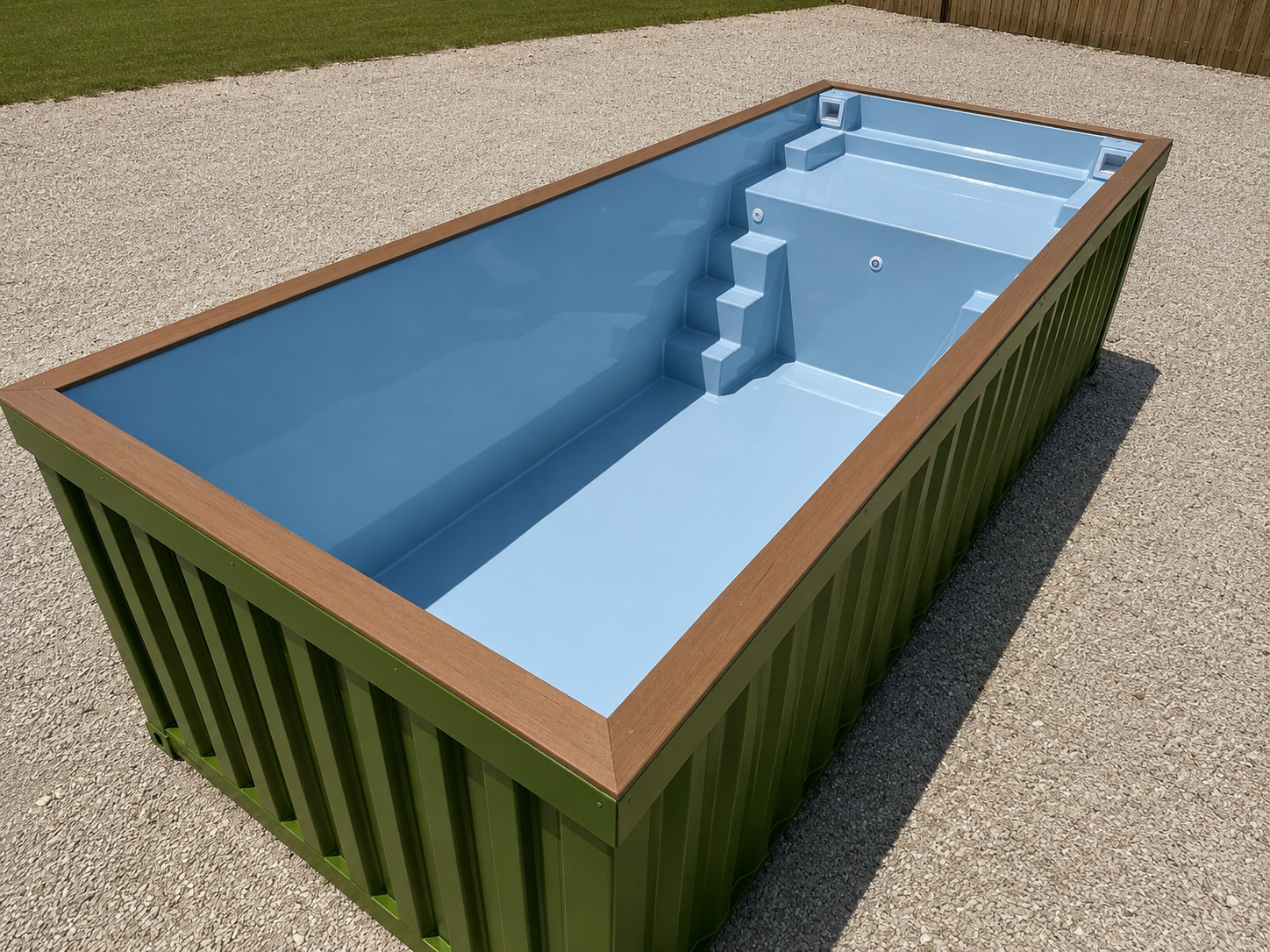
Building a shipping container pool is an exciting way to achieve a modern, eco-friendly backyard oasis. By repurposing a steel shipping container, you can create a stylish swimming pool that’s both durable and highly customizable. In this comprehensive guide, we’ll explain how to build and customize a container pool step by step. We’ll cover everything from initial planning and site preparation to structural modifications, waterproofing, plumbing, and finishing touches. You’ll also learn about design options, cost considerations, pros and cons, permitting requirements, material selection, and troubleshooting common issues. Whether you’re a DIY enthusiast or planning to hire professionals for certain tasks, this guide will help you approach your container pool project with confidence and strong know-how.
Building a container pool requires careful engineering and attention to detail, but the reward is a unique swimming pool that can be installed faster than a traditional pool and even moved if you relocate. The guide uses a hybrid DIY/professional approach – meaning we’ll highlight where you can do it yourself and where it’s wise to involve licensed experts (like structural welders or electricians). By the end, you’ll have a clear roadmap to transform a standard shipping container into a safe, attractive pool that fits your budget and vision. Let’s dive in!
Planning Your Shipping Container Pool Project
Proper planning is essential before cutting steel or breaking ground. In this phase, you’ll make key decisions and ensure you meet all requirements. Here’s what to consider at the planning stage:
Determine Your Goals and Budget:
Decide early on how you intend to use the pool (lap swimming, family recreation, plunge pool, etc.) and how much you’re willing to spend. Container pools can range widely in price depending on size and features (often $35,000–$65,000 installed on average, though DIY approaches can be less). Establishing a budget will guide your choices on size, finishes, and optional extras.
Choose Pool Size and Container Type:
Shipping containers come primarily in lengths of 20 feet (approx. 6 m) or 40 feet (12 m), with standard widths around 8 feet (2.4 m). High-cube containers have extra height (9.5 ft exterior) which can allow a deeper pool or space for equipment. Determine what container size suits your space and usage. A larger 40′ container offers a full-length lap pool feel, while a 20′ container makes a compact plunge pool. Remember that container pools have fixed widths (about 8 feet inside), which is narrower than many traditional pools. If you want more width, some advanced projects join two containers side-by-side (which requires extensive modification and reinforcement).
Above-Ground vs. In-Ground Design:
Decide if you’ll install the container fully above ground, partially sunken, or fully in-ground. Above-ground installations are simpler (no heavy excavation) and allow the pool to be more portable. In-ground installations involve burying the container, which offers a sleeker look and easier access (no external pool walls to climb). In-ground pools also benefit from natural insulation by the earth, helping regulate water temperature. However, burying a container requires proper structural reinforcement to handle soil pressure and thorough exterior waterproofing to prevent corrosion underground. We’ll detail these considerations later.
Site Selection and Space:
Evaluate your property for the best pool location. Choose a level area with adequate clearance. Ensure there’s room not just for the container (e.g. a 40′ x 8′ footprint for a 40 ft unit) but also for access around it, a deck or patio if desired, and any required safety fence. Check that you have a clear path for delivering the container to the site (craning a container into a tight backyard may be needed). Consider sun exposure (for warming the water or solar panels) and proximity to the house (for plumbing, electrical hookups, and convenience).
Consult Professionals Early:
Even if you plan a DIY build, it’s smart to consult a structural engineer and other professionals at the planning stage. An engineer can assess the container’s structural integrity and advise on required reinforcements (especially if cutting large openings or planning an in-ground install). A pool contractor or experienced builder can provide input on plumbing layout and filtration. Getting expert advice upfront helps avoid costly mistakes in design.
Permits and Regulations:
Treat a container pool like any permanent pool when it comes to local regulations. Nearly all jurisdictions will require a building permit for installing a swimming pool (whether above-ground or in-ground) – shipping container pools are usually no exception. Research your city or county’s requirements for pool permits, inspections, and safety features. Common rules include: mandatory safety barriers (fencing at least 4 ft high with self-closing gate), possibly pool alarms or covers, adherence to setback distances from property lines, and electrical code compliance for pool equipment. Some areas may have specific guidelines for above-ground pools versus in-ground pools; clarify how a container pool is categorized. It’s wise to contact your local building department early to ensure your plans meet code. We cover permitting in more detail in the next section.
Timeline and Season:
Plan the build timing. Constructing a container pool can be quicker than a traditional concrete pool – often a matter of weeks once you have the container and materials, since much work (cutting, lining) can be done off-site. Still, factor in any lead times: obtaining permits, ordering the container, hiring professionals, and potential weather delays if doing site work outdoors. Aim to finish major construction before your swimming season.
By carefully planning the size, location, design, and legal requirements of your container pool, you set the stage for a smoother build. With a clear plan and permits in hand, you’re ready to break ground (or rather,
prepare the ground) for your pool.
Permitting and Safety Regulations
Before you start construction, address permits and safety codes to ensure your project is legal and safe. Building a pool without the proper permits can result in fines or an order to remove the pool, so this step is critical.
Obtain Necessary Building Permits:
Check with your municipality what permits are required for a swimming pool. Generally, you will need a residential pool construction permit. Submit plans that show the pool’s dimensions, location on the property, and details of safety features (fence, alarms, etc.). If you are doing structural modifications to the container (cutting walls, etc.), that might be covered under the pool permit or require an additional structural permit – clarify this with the authorities. In many places, an engineer’s or contractor’s stamp on plans may be needed due to the structural nature of the project.
Pool Barrier Requirements:
Virtually all local codes require a secure barrier around pools to prevent unsupervised access by children. This typically means a fence of a specified minimum height (often 4 feet or 1.2 m) with self-latching gates. The Texas regulations, for example, mandate a locking gate and a fence around the container pool area. Ensure your design includes a compliant fence or other approved barrier (some areas allow a powered safety cover as an alternative). If the container pool is above ground with high walls, you might still need a fence around the ladder or an enclosure – verify local rules.
Electrical and Plumbing Inspections:
Pools usually require electrical work (for pumps, lights, heaters) that must be done to code by a licensed electrician and inspected. Plan for a Ground Fault Circuit Interrupter (GFCI) protected circuit for all pool electrical equipment, as required by code. Any plumbing that connects to the household water supply or sewer (like filling or draining the pool) may also need permits or backflow prevention – discuss with inspectors if applicable. Having a professional handle the electrical hookup is highly recommended for safety.
Setbacks and Zoning:
Ensure the pool’s placement complies with zoning bylaws. There are often rules on how far the pool must be from property lines, septic systems, or buildings. Above-ground container pools might be considered structures that need to meet accessory structure setbacks. Verify these distances in your permit application to avoid having to move the pool later.
Safety Accessories:
Plan to include required safety accessories. These may include pool ladders or steps that meet code (and are removable or lockable for above-ground pools when not in use), pool alarms on doors/gates leading to the pool area, and possibly a certified pool cover. Many jurisdictions require at least one additional safety measure besides the fence – e.g. an alarm that sounds if the surface of the water is disturbed. Check which safety measures are mandated locally and incorporate them into your build.
Environmental and Soil Considerations:
If you plan an in-ground container pool, some locales might require a soil study or additional permit for excavation. Also, ensure that modifying drainage on your property (since you’ll pour a slab or footings) is okay – you might need to show that water runoff won’t impact neighbors. In certain areas, removing or altering large structures may also need permission (less common for residential pools, but be mindful).
Tip: It can be very helpful to hire a professional pool installer or contractor just for the permitting process and initial guidance, even if you do much of the work DIY. They are familiar with local pool codes and can help get your plans approved. At minimum, carefully study the pool regulations provided by your city/state (many have online guides).
Taking care of permits and safety requirements up front will give you peace of mind and prevent legal hassles. Once approved, you can move forward knowing your container pool will be safe and compliant.
Site Preparation and Foundation
With planning and permits sorted, it’s time to prepare the site where your container pool will sit. Proper site prep and foundation work will ensure your pool is level, stable, and well-drained for the long term.
1. Clearing and Leveling:
Begin by clearing the chosen area of any debris, rocks, or vegetation. Mark out the footprint of the pool plus extra working space around it. You’ll need a completely level base to support the container. Use stakes and a builder’s level or laser level to check grade. In many cases, you’ll excavate a few inches down to create a level sub-base. Remove soft topsoil and compact the sub-grade soil to prevent future settling. If the pool is going partially or fully in-ground, you’ll need to excavate a pit to the required depth (account for container height plus any base material). Make the hole slightly larger than the container dimensions to allow working room and backfilling. Important: Call utility locator services before any digging to avoid hitting buried lines!
2. Base and Foundation Options:
Shipping containers are designed to sit on corner points, but for a pool we want solid support along the length and middle as well. There are a few foundation approaches:
- Concrete Pad: Pouring a reinforced concrete slab the size of the container footprint (or slightly larger) is an excellent foundation. A 4-inch (10 cm) thick slab on compacted gravel, with rebar reinforcement, provides a perfectly level and stable platform. This is recommended especially for above-ground installations. Ensure the slab is truly level and cured before placing the container.
- Concrete Footings or Piers: If you don’t want a full slab, you can use concrete footings at the four corners and midpoints of the container. For example, dig and pour six or more small pad footings (at corners and midway along each long side). The container will sit on these load points. Verify spacing with the container’s structural beams. This method saves concrete, but you must ensure all footings are level with each other.
- Compacted Gravel Bed: Some DIY builders simply use a thick layer (6-8 inches) of compacted crushed stone or gravel as a base. If well-compacted and leveled, a gravel bed can support the container and also provides drainage. This can work for above-ground pools or partially buried pools. It’s wise to use angular gravel that locks together, and compact in layers. You may still want to add concrete pavers or blocks under the container corners to prevent them sinking into gravel over time.
- Existing Concrete Surface: If you have an existing patio or driveway of adequate size, it might serve as a base. Verify it’s level and can bear the weight (a filled 8x20 pool can weigh 40,000+ lbs or ~18 tons of water plus container). Avoid placing on old cracked concrete without reinforcement.
No matter the foundation type, waterproof and protect any concrete that will be in contact with the container steel (use a moisture barrier or bitumen paint on the concrete where the steel will touch, to reduce corrosion risk). Also consider putting a thin isolation layer like heavy-duty plastic sheeting or rubber strips between the container and concrete, to avoid steel-on-concrete contact which can trap moisture.
3. Drainage Considerations:
Plan for how water will drain around the pool area:
- If above ground, grade the surrounding ground to slope away from the container so rainwater doesn’t pool at the base. You might install French drains or gravel trenches around the perimeter.
- If in-ground, drainage is critical. You do not want groundwater accumulating around the buried container, as it could rust the exterior or even exert pressure when the pool is empty. Ensure there’s gravel backfill and possibly a perimeter drain (weeping tile/French drain) around the container leading water away. If you have high groundwater, you might even need a sump pump system. Also, never bury a container pool without proper reinforcement – containers are strong on the corners and edges, but the walls can buckle under lateral soil pressure if not adequately braced. We will discuss reinforcement shortly.
4. Access and Setting the Container:
Ensure you have a plan to get the container onto the prepared base. Often this involves a crane or boom truck to lift and position the container pool. The foundation should be ready and accessible to that equipment. Double-check overhead clearances (no power lines or tree limbs in the way). Mark the exact placement so the crane operators know where to set it down. If using piers/footings, have guiding blocks or angle iron in place to help align the container on them.
5. Backfilling (for In-Ground Installs):
If you are dropping the container into an excavation, backfilling must be done carefully. Usually you’ll partially fill the pool with water at the same time as backfilling around it, to equalize pressure. Use free-draining material like gravel or a sand-gravel mix to fill around the sides of the container, in layers. Do not use soil with a lot of clay that can expand or hold water. Compact gently in layers to provide support but avoid denting the container walls. It’s often best not to fully bury the container’s top – leaving a few inches above grade can prevent runoff from flowing straight into the pool and also makes it easier to secure a cover or barrier at the surface.
By investing time in solid site preparation, you’ll create a foundation that keeps your container pool level and stable for years to come. A well-prepared base and drainage system is key to preventing future issues like shifting, settling, or corrosion from standing water.
Selecting and Preparing the Shipping Container
The heart of your pool is, of course, the shipping container itself. Selecting a suitable container and doing some preparatory work on it is the next major step.
1. Sourcing the Container:
Look for a container that meets your size needs and is in good condition. Options include:
- Standard (8 ft x 8.5 ft) or High-Cube (8 ft x 9.5 ft): High-cube containers give extra interior height, which can be useful if you want a deeper pool or space above the water for accessories. Many container pools use high-cubes to allow a water depth of around 4–5 feet and still have some wall height above the waterline.
- New “One-Trip” Container: These are containers that have been used only once for shipping. They are practically new, with minimal corrosion or damage. While more expensive than used containers, one-trip containers provide the best starting condition (intact paint, no rust patches) and will last longer with less prep work.
- Used Container: A used container can save money, but inspect it carefully. Choose a container in sound structural shape – no large dents or bent sections, and minimal rust. Surface rust can be cleaned and treated, but avoid any with deep corrosion (especially on the floor or lower walls) as this can compromise integrity. Also ensure it was used for harmless cargo; occasionally containers carried chemicals that left residues. It’s wise to get one that was used for general goods or get it steam-cleaned if unsure. Inspect for hazardous materials or odors and have it professionally cleaned if needed.
- Open-Top Container: Standard containers have a steel roof, which will be cut away for a pool. Another variant is an open-top container (with a removable tarpaulin roof). However, these are less common and not usually high-cube. Most builds will use a regular container and simply cut off the top.
2. Delivery and Initial Placement:
Have the container delivered to your site (or to a workshop if you plan to do modifications off-site). On delivery, inspect the container thoroughly. Check the flooring (typically marine plywood on steel crossmembers) – it should be solid since it will become the pool floor. Also check that the doors operate; even if you won’t use the container doors in the final design, they might be useful during construction or for equipment access.
If working on it in an open area, set the container on temporary supports (e.g., sturdy blocks) to lift it a bit off the ground. This makes it easier to work on the underside and around bottom edges for coating later.
3. Stripping and Cleaning:
Remove any fittings or flooring treatments not needed. For example, shipping containers often have thick plywood floors that may be treated with pesticides. If you plan to keep the wood floor as the pool bottom, ensure it’s sealed or remove/encapsulate any chemicals. Many builders actually leave the plywood floor in place and put the pool liner over it – it provides a nice smooth base. Others remove it to expose steel underneath if doing full steel fabrication. Vacuum and clean out the interior thoroughly. Grind off any rust spots inside and out down to bare metal. This is the time to do a full rust treatment: wire-brush or sand any corroded areas, then apply a rust converter or primer to stop further oxidation.
Also, remove the container doors if they’re not part of your design. Taking the doors off can give you a large opening to work through. You can always weld that end shut or frame it for a window later. Some people keep one door operable if they want it to double as a giant “skimmer” opening or access panel – that’s a custom choice.
4. Planning Cutouts and Modifications:
Mark out where you will need to cut the container. Typical modifications include:
- Removing the Roof: In almost all cases, you will cut away the entire steel roof of the container to open it up for the pool. The container’s corner posts and top rails will remain to maintain structure. Removing the roof may weaken the container slightly (the roof sheet does add some rigidity), but the top side rails and end frames usually handle loads. If you remove all of the roof including top side beams, you must reinforce the top perimeter after (e.g., weld on a new beam).
- Side Openings/Windows: Many custom container pools feature a window on the side – often a long acrylic panel – for a unique viewing experience. If you plan an underwater window, mark that section on the sidewall. Remember, any large opening in the side will require reinforcement around its edges (framing it like a door frame with steel tubing) to keep the wall strong. Also consider how you’ll waterproof the window installation (we’ll discuss under waterproofing).
- Entry/Exit Cutouts: If you want built-in steps or a shallow lounge area, you might cut a portion of the top of the wall down. For example, cutting out a section of a side wall to create a recess where stairs can be installed, or to act as a skimmer area. Mark those.
- Skimmer and Jet Holes: Plan where the skimmer(s), return jets, and any drains will go. Usually, a rectangular hole for an above-ground pool skimmer is cut into the upper side wall. Return jet holes (for water flowing back in from the pump) are circular and smaller, typically a couple inches in diameter, cut in the sidewall a foot or so below water line. If using a bottom drain, mark a circle in the floor. (One builder avoided a bottom drain due to fear of shifting, but later retrofitted a proper wall skimmer for efficiency. Generally, installing at least a wall skimmer and a couple of returns is recommended for good circulation.)
5. Cutting the Container:
Cutting steel is a job that should be done with the right tools and safety precautions. A cutoff saw (handheld circular saw with metal-cutting blade), angle grinder, or oxy-acetylene torch are common ways to cut container steel. If you don’t have experience cutting thick steel, consider hiring a professional welder/metalworker for this phase. They will make clean cuts and can also weld on reinforcements as needed. Wear proper protection (face shield, gloves, hearing protection) if DIY cutting – container steel is around 2–3 mm thick corten steel, which is tough.
Cut along your marked lines. For the roof, you can cut it into sections to remove piece by piece. Be cautious as large panels can flex or fall when freed. For window or door openings in the sides, it’s wise to weld temporary braces across the cutout area before cutting, to prevent any warping as you remove material. After cutting the opening, you’ll replace those with permanent frames.
6. Structural Reinforcement:
Once the cutouts are made, reinforce the container structure:
- Around Openings: Weld rectangular steel tubing or I-beam sections around the perimeter of any large opening (windows, door cutouts, etc.) to restore rigidity. Essentially, you’re creating a new frame around the hole. This ensures the container walls don’t flex with water pressure. For example, after cutting a side for a window, you might weld a 4″ steel channel around the edges of the hole. Similarly, if you cut the top edge down to lower one wall, reinforce that cut edge with a welded steel flat bar or beam.
- Wall Bracing: Containers are designed to be very strong at the corners but the long side walls can flex outward under pressure (water will push outwards). If your pool will be above ground and filled, adding extra wall bracing is smart. This can be done by welding vertical stiffeners on the outside of the long walls – e.g., weld a few steel columns or angle irons spaced along the wall to help it resist bulging. Another method is to weld a steel truss or tension rod across the top of the container opening to prevent the long sides from spreading apart under load. Many container pools hold shape fine thanks to the corrugated steel walls, but additional reinforcement is cheap insurance.
- Floor and Corner Reinforcement: Typically, the container floor (with its steel cross-members and plywood) can easily support the water weight when supported evenly. If using point footings underneath, ensure the steel cross-members are adequate – you might weld additional cross beams if needed under heavy load points (like under internal steps or spa areas). If burying the container, reinforcing the exterior with ribs or even a rebar cage can help it handle earth pressure (though if filled with water, internal pressure counters external soil pressure pretty well).
After reinforcement, the container structure should be as strong or stronger than originally, now ready to become a pool shell.
7. Corrosion Protection:
Before moving on to the next stages, coat the container’s exterior with a rust-inhibiting paint or coating, especially if any raw steel is exposed from cutting/welding. Use a marine-grade epoxy paint or a cold galvanizing compound on welded seams. Since shipping containers are made of corten steel which resists corrosion to a degree, you have a good base, but extra protective coating is essential for a decades-long lifespan. If burying, you may even apply bituminous waterproofing on the outside.
At this stage, you have essentially a big open-top steel box, cut and reinforced to your desired configuration. Now it’s ready for the critical steps that truly make it a pool: waterproofing the interior and installing the plumbing and filtration system.
Waterproofing and Pool Lining
The inside of a shipping container must be completely waterproofed and lined to hold water like a pool. Shipping containers are watertight in the sense of keeping rain out, but they are not designed to hold water pressure internally – joints could leak and the steel would rapidly corrode if constantly submerged. Thus, a reliable pool liner or coating is crucial.
1. Seal All Joints and Seams:
Before adding a main liner, go through the container’s interior seams. This includes the corners, wall-floor joints, and any welds or cut edges. Use a high-quality sealant (like a polyurethane or marine sealant) or epoxy putty on all seams. For example, apply sealant along the entire length of the floor-wall seams and where any two panels meet. Pay special attention to any penetrations you made for plumbing – around skimmer openings, jet holes, etc. These should be welded closed around pipes or sealed with bulkhead fittings, then further sealed with silicone or pool caulk. The goal is to eliminate any path for water to reach the steel container shell. Even a tiny gap can seep and cause rust.
2. Choose a Lining Method:
There are several options to line the container pool, each with pros and cons:
PVC Pool Liner:
A flexible vinyl liner (PVC material) is a common solution. This is similar to how many above-ground and in-ground vinyl pools are lined. A custom liner can be ordered to fit the interior dimensions of the container. Vinyl liners are durable, relatively easy to install, and come in various colors/patterns. They’re also one of the more affordable options. You’ll need to ensure the interior surfaces are smooth (line with foam padding or sand any sharp points) to avoid punctures. Proper installation is key to avoid wrinkles and leaks.
EPDM or Rubber Liner:
EPDM rubber liners are another flexible liner option. EPDM is a synthetic rubber often used in pond liners. It’s extremely durable and UV resistant. It can be cut to fit and seamed with adhesive. EPDM tends to be thicker and heavier than vinyl. It’s a good DIY option for irregular shapes since it’s like installing a giant rubber sheet inside the container.
Fiberglass Coating/Insert:
Some container pool manufacturers use a fiberglass lining – essentially coating the inside with fiberglass-reinforced resin to create a seamless shell, or dropping in a preformed fiberglass shell. Fiberglass provides a smooth, long-lasting finish and added structural strength. However, applying fiberglass is a skilled task requiring resin application and proper curing, often done by professionals. If you can source a fiberglass pool shell that fits inside the container, that could be an option (though usually container pools custom-fabricate these).
Polyurea or Spray Coatings:
Polyurea coatings or similar spray-on waterproofing can be applied to the steel interior. These are industrial coatings that create a tough, rubberized waterproof layer bonded to the metal. They cure fast and are very durable (used in commercial pools, tank linings, etc.). This method typically requires professional application with special equipment, and it can be costly – but it yields a seamless result. A similar approach is using marine-grade epoxy paint in multiple layers; while epoxy paint alone might not be long-term as thick liners, some DIYers have had success with pool epoxy paints (recoating every few years as needed).
Tiling:
A high-end option is to install tiles inside the container pool. This involves adding a layer (like a mortar bed or board) and tiling over it as you would a concrete pool. While tiles can create a beautiful finish, it’s labor-intensive and you must ensure the structure is very rigid (to avoid tile cracking). You’d still need a waterproof membrane behind the tiles. This is less common due to complexity but possible for small sections or decorative touch.
Hybrid Approaches:
You might do a combination – for example, some DIY builders first coat the interior with a rubberized sealant (like Sani-Tred or similar pool sealant) for a baseline waterproof layer, then also install a vinyl liner for redundancy. Using a marine epoxy + liner combo ensures even if the liner gets a small tear, the epoxy undercoat protects the metal.
3. Wall and Floor Preparation:
Depending on liner choice, prepare surfaces accordingly:
- If using a drop-in flexible liner, line the walls and floor with a liner underlayment or foam padding. This is a soft material (felt or foam sheets) that cushions the liner and prevents it from rubbing on metal. It also gives a nicer feel underfoot. Tape or glue the padding to cover all interior surfaces.
- If using coatings, ensure the metal is clean, dry, and primed as needed. You may need to sandblast or at least thoroughly sand the interior for best adhesion of epoxy or polyurea coatings. Then apply per product instructions (often multiple coats).
- For fiberglass, you might first coat the interior with a layer of resin, then lay fiberglass mat and more resin, building up a new inner shell. Fiberglass application should be consistent to avoid any weak spots.
4. Lining Installation:
Install your chosen liner:
- Vinyl/EPDM liner: Typically, the liner will be custom cut and seamed to fit the rectangular shape. It will drape over the edges. You’ll need to attach it at the top edge of the container – usually with a liner coping or track mounted to the top of the container walls. For above-ground pools, there are coping strips that hold the liner in place. Ensure you have the liner manufactured with positions for skimmer and jet holes (usually slightly undersized holes that you cut out during install once aligned). The skimmer and return fittings will sandwich the liner, creating a seal. Work out wrinkles and smooth the liner as you fill a bit of water. This process can be tricky; having a professional pool liner installer help could be worthwhile to get a perfect fit.
- Coatings: If spraying polyurea or painting epoxy, follow safety guidelines (respirator, ventilation) and apply evenly. These often cure quickly. Make sure to get into all corners and seams. After curing, inspect for any pinholes or misses and touch up as needed. A light color coating is preferable so you can see the water clarity and any debris easily.
- Fiberglass: Let each layer of fiberglass cure fully and sand any rough spots. After final gelcoat, it should be a glossy, continuous surface.
5. Special Areas – Windows and Attachments:
If you cut a side window, that opening now needs a transparent panel that can withstand water pressure. Usually, thick acrylic (plexiglass) or tempered glass is used as the viewing window. Mounting it involves:
- Framing the opening with flanges.
- Using a high-strength aquarium-grade silicone or gasket.
- Bolting the acrylic panel in place with a metal frame from outside. Ensure it’s completely watertight. (This is a critical structural piece – the acrylic must be thick enough for the span; e.g., a long side window might use 1-inch thick acrylic or more.)
- It’s wise to water-test this window seal thoroughly before filling the whole pool.
Likewise, any penetrations for lights (if you add pool lights) need to be properly sealed with the manufacturer’s gaskets.
6. Testing for Leaks:
After the liner or coating is in place, it’s time to fill the pool partially for a leak test. Before hooking up all plumbing, you can fill the pool to a few inches below the skimmer level and let it sit for a day. Inspect all around the exterior for any sign of water seepage. Check the ground under the container for dampness. If you detect a leak, identify the source and fix it now (patch the liner or re-seal a seam). It’s much easier to address leaks before the pool is completely finished and full.
To summarize, waterproofing is one of the most crucial steps. The liner or coating is what truly makes your container a functional pool rather than a leaky metal box. Take your time to do it right and don’t cut corners on materials here. A properly lined container pool will hold water without issues and protect the steel structure from rusting (which would occur if water got through to the metal). With the interior now watertight, you’re ready to set up the plumbing and filtration that will keep your pool water clean.
Plumbing and Filtration Systems
A container pool needs a circulation and filtration system just like any other pool to maintain clean and healthy water. In this section, we’ll break down the plumbing components and installation in your container pool.
1. Pool Plumbing Overview:
The basic elements include:
- Skimmer: Draws water from the surface to the pump, capturing leaves/debris in a basket. For container pools, a common approach is installing an above-ground pool skimmer unit on the side wall. Skimmers are usually placed at water surface level on a long side, ideally downwind (to catch floating debris that blow across).
- Main Drain (optional): A drain at the bottom of the pool helps circulate lower water and assists in draining the pool. Some container pools include one or two floor drains, but others omit them to avoid cutting the floor. If included, plumb them to the pump suction with proper anti-entrapment covers (following safety standards). If omitted, ensure the skimmer and returns create enough circulation or use a vacuum port for floor cleaning.
- Returns/Jets: These are the inlets where filtered water flows back into the pool. Typically, you’ll have 2 or more return jets in the pool walls, a foot or two below the waterline, pointing in a direction that promotes circular water movement.
- Pump: The electric pump draws water from the pool (skimmer/main drain) and pushes it through the filter and back out the returns.
- Filter: Removes fine particles from the water. Common types are sand filters, cartridge filters, or DE filters. Choose a filter size appropriate for your pool volume (a small container pool might use a 50–100 sq ft cartridge filter or a 19″ sand filter, for example).
- Heater (optional): If you want a heated pool, include a heater in-line after the filter. Options are electric heat pump, electric resistance heater, gas heater, or even solar panels. Container pools being smaller volume heat up quickly but also can lose heat through steel walls, so insulation and a heater can extend your swimming season.
- Sanitization: Plan how you’ll sanitize the water (chlorine, saltwater system, mineral ionizer, etc.). This isn’t plumbing per se, but for example, installing a saltwater chlorinator cell in the return line if you go saltwater, or an in-line chlorinator for tablets.
2. Pipe Materials:
Use PVC piping (schedule 40 PVC is standard for pool plumbing). For underground sections (if any), use PVC rated for burial. Typically 1.5” or 2” diameter pipes are used for pools. Larger diameter reduces resistance and is better for pump efficiency – a small container pool might manage with 1.5”, but if in doubt, 2” for the main lines is great (as one DIY builder learned, too small an inlet can strain the pump). Use PVC solvent cement and primer for all joints, and allow proper cure times.
3. Installing Skimmer and Returns:
If you cut out for a skimmer, mount the skimmer body in that opening. Most skimmers will bolt to the wall with a faceplate that sandwiches the liner. Tighten it evenly to ensure the gasket seals around the edges (no leaks). For returns, you’ll have return jet fittings that also sandwich the liner – usually a threaded body goes through the wall hole, with gaskets on both sides, and a locknut on the outside. Seal threads with Teflon tape. Aim the jet eyeballs inward and slightly downward to circulate water thoroughly.
If you did not pre-cut return holes, you can still add them by drilling through the steel (using a hole saw the size of the fitting). Just be sure to seal the exposed metal. Alternatively, some above-ground pool plumbing kits just hang over the side, but a through-wall fitting looks cleaner.
4. Pump and Filter Location:
Decide where to locate the equipment. You’ll need a flat area to place the pump, filter, and any heater or chlorinator. This can be:
- Right next to the container (perhaps hidden behind a short wall or plants).
- In a small shed or box (many build an equipment box for noise reduction and protection from weather).
- Or even at the end inside the container’s original door area – for instance, some leave the last few feet of a 40′ container as a “pump room” separated by a bulkhead wall. However, this reduces swimming length and requires watertight separation.
Keep the pump close to the pool to minimize pipe length and head loss (within 10-20 feet ideally). Ensure the pump and electrical components are protected from rain and splash. Plumb from the skimmer and drains to the pump inlet (these lines should have valves so you can isolate each suction line). From pump, go to filter, then to heater (if any), then return line splits to the multiple returns. Include valves on return lines if you want to balance flow between jets or have the option to isolate any feature.
5. Plumbing Tips:
- Unions: Use union fittings near the pump and other equipment. These allow easy disconnection for maintenance or winterizing.
- Check Valve: If you have any uphill sections or a heater, consider a check valve to prevent backflow (especially if using a heater, to protect it from chlorine backflow when off).
- Flexible PVC vs Rigid: Flexible PVC hose can simplify connections (fewer elbows), but be sure it’s rated for burial if used underground. Standard rigid PVC pipe is more common and durable for long runs.
- Support Pipes: Clamp or strap pipes so they don’t hang off fittings and stress them. Where pipes go through the container wall, use bulkhead fittings or a sealed conduit to avoid sharp edges on PVC.
6. Filtration and Circulation Considerations:
Because container pools are smaller, achieving good circulation is a bit easier than a large pool, but you want to avoid dead spots:
- Place returns at opposite end from the skimmer if possible, to push water toward the skimmer.
- You can also add an aerator or fountain fitting on a return for fun and to improve circulation (totally optional).
- Water volume in, say, an 8x20x4 ft pool is about 38,000 liters (~10,000 gallons). Choose a pump that can turn over the volume in about 6-8 hours for good filtration. A 1 HP pool pump is often sufficient for such a size, though energy-efficient variable speed pumps are even better (you can run them low most of the time and save electricity).
- Include a drainage outlet (waste line) or plan for how you will drain water if needed (e.g., a hose spigot tee’d off after pump to pump water out, or use a submersible pump when you need to fully drain).
7. Testing the Plumbing:
Once all pipes and equipment are connected, do a test run before the pool is completely finished:
- Leave the pool water at mid-skimmer level, prime the pump, and run the system.
- Check for leaks in all pipe joints and around fittings. Tighten or re-seal any dripping connections.
- Ensure the skimmer is pulling water and the returns are flowing well. Adjust eyeball angles if needed.
- Check the filter pressure to see it’s in normal range and backwash if using a sand filter to confirm that function.
- If using a heater, test that it fires up or the heat pump runs, and monitor water temperature rise.
Running the system for a day or two will also further confirm that your pool shell is leak-free and that all equipment works reliably. A properly installed system will keep your water crystal clear and safe with minimal fuss.
At this point, the container has essentially become a working swimming pool! The remaining steps will focus on finishing touches, customization, and ensuring longevity.
Insulation and Temperature Control
One aspect that’s especially important with container pools (which are made of steel) is insulation. Steel walls can conduct heat out of the water quickly, meaning without insulation your pool might lose warmth faster than a traditional pool. Also, warm outside air can heat the steel and water in summer, and contact between warm water and cooler steel can create condensation. Here’s how to manage these issues:
- Exterior Insulation: If your container pool is above-ground or partially above, consider insulating the outside of the container walls. A common method is spray-application of closed-cell polyurethane foam on the outer walls. Closed-cell spray foam acts as both insulation and an added moisture barrier. Even a 1–2 inch layer can make a significant difference (providing roughly R-6 to R-12 insulation). This can be done after all welding and structural work is complete. It will later be covered by any exterior finish or cladding for appearance. If burying the container, exterior spray foam is highly recommended before backfilling to prevent soil contact and insulate the pool from cold ground.
- Interior Insulation: If not using external insulation, another tactic is lining the interior with insulation boards before the liner goes in. For instance, panels of XPS foam can be attached to the walls and floor, then the liner goes over them. This insulates the water from the steel. However, be cautious: if using a soft vinyl liner, you don’t want the foam panels to create edges or spots that could rub through. Usually, a thin foam or felt underlayment is used anyway for liner comfort – you can get insulated versions.
- Underside Insulation: Don’t forget the bottom. If above ground, insulating the container’s underside (e.g., spray foaming beneath the floor) helps retain heat. If on a slab, there’s not much you can do after the fact, but insulating the slab underneath before pouring (with foam board) is an option for in-ground builds.
- Covering to Prevent Heat Loss: One of the best ways to maintain water temperature is using a pool cover when the pool is not in use. A solar blanket (thermal cover) on the water surface can reduce heat loss overnight dramatically and also keep evaporation (and chemical loss) down. Since container pools are often smaller, covering them is relatively easy and inexpensive. You could also invest in a retractable cover or an automated slatted cover which doubles as a safety cover – many options exist.
- Heating Systems: If you want a warm pool, plan a heating solution. Options:
- Electric Heat Pump: Very efficient in moderate climates; it extracts heat from the air to warm the water. Slower to heat initially but maintains temperature well.
- Gas Heater: Propane or natural gas heaters can heat water quickly, good for on-demand use or colder climates, but have higher fuel cost.
- Electric Resistance Heater: Simple but usually only practical for small pools or spas due to high electrical usage.
- Solar Heating: You can run black hose coils or roof-mounted solar panels that use the sun’s energy to heat the water. This is eco-friendly and zero operating cost after setup, but depends on sunny weather and space for the panels.
- Some container pool owners skip a heater if they mainly use it in hot summer, while others realize heating a steel pool without insulation can be inefficient (one DIY’er reported essentially “heating the outdoors” when trying a gas heater on an uninsulated pool). So, if heating, definitely insulate well or you’ll lose much of that heat.
- Temperature Moderation: Interestingly, an in-ground container pool benefits from the earth’s thermal mass – it will stay cooler in extreme heat and warmer in cool nights due to the ground’s relatively stable temperature. Above-ground pools can fluctuate more. Insulation helps buffer those swings. Also note, leaving some water depth below ground and insulating above-ground portions can provide the best of both.
- Condensation Concerns: Warm water against cold steel can lead to condensation on the outside of the container, which could cause rust over time. Insulation largely prevents this by keeping the steel closer to water temp. Also, maintaining water chemistry (especially pH) will protect metal parts from any corrosive condensation or splash. As a measure, once your pool is up and running, inspect periodically for any signs of rust on the exterior and touch-up paint or re-seal as needed (we discuss maintenance later).
By incorporating insulation into your container pool build, you will save energy and extend your swimming season. An insulated container pool paired with a decent heating system can even be used year-round in some climates, essentially acting like an above-ground hot tub in winter if desired. It’s all about controlling that heat loss. Now that we have a comfortable, insulated shell, let’s move to the fun part – finishing touches and customization!
Decking and Exterior Finishes
One big advantage of container pools is that you can customize the exterior look and the surrounding area to fit your aesthetic. After the pool shell is functional, you’ll likely want to add decking or cladding and other finishing features for looks and convenience.
1. Pool Deck or Surround:
Most container pools have some form of deck around them – this not only hides the steel container (if above ground) but provides a slip-resistant surface for entering/exiting the pool and lounging.
Above-Ground Pool Decks:
You can build a wood or composite deck wrapping part or all of the container. For example, one side of the pool might have a narrow walkway deck for access, while one end might have a larger platform with chairs. Use treated lumber or composite boards that are water-resistant. Ensure the deck has railings or meets safety codes if raised. Integrating steps into the deck that align with the pool’s top edge makes entry easy. Keep the deck slightly below the top of the pool edge or design a flush coping.
In-Ground Edging:
If your pool is flush with ground level, you’ll want a coping around the rim. This could be a poured concrete border, pavers, stone, or wood trim that covers the top steel edge and provides a smooth finished edge. Also, you can extend the patio or pool surround from that coping outward – e.g., a concrete patio or paver area around the pool for seating and walking.
Combining Deck with Container:
In some builds, they cut away a section of the container’s side and incorporate an interior ledge or bench that aligns with an exterior deck. This creates a semi in-ground feel where you step from deck into pool seamlessly. It requires careful structural work but is a neat design if done right.
When building decks, always use non-slip surfaces. Composite deck boards often have textured grain that is slip-resistant. You can also get specific rubberized coatings or mats for pool areas if using wood.
2. Exterior Cladding:
The sides of an above-ground container can be covered for a nicer look:
Wood Slats or Siding:
A popular approach is attaching wooden slats or planks vertically or horizontally around the container, giving a modern wood facade that can match your home or garden style. Leave an air gap for ventilation if the container is insulated beneath. Cedar, redwood, or other rot-resistant wood works well.
Fiber Cement or Vinyl Siding:
You could clad the container like a house wall, using panels or siding. Ensure to anchor furring strips to the container and attach siding properly. Keep in mind the container might flex a tiny bit, so a slightly flexible attachment is okay.
Stone or Brick Veneer:
For a really upscale look, you could face the container in a stone veneer or brick tiles. This is heavy and needs strong adhesion (and maybe a backing board attached to container). It can make the pool look like a permanent masonry structure.
Paint:
If you like the industrial look, you might just paint the container exterior in an attractive color. Use a high-quality exterior metal paint (epoxy or enamel). A dark color might absorb heat (could warm the water, but also could be hot to touch); a lighter color stays cooler. Some owners embrace the container aesthetic with bright colors or patterns.
Murals or Creative Finishes:
Don’t be afraid to get creative – you can paint murals on the sides, or even use corrugated metal accents, etc. Just ensure whatever you do is weatherproof and doesn’t trap moisture against the steel (if adding cladding, allow drainage).
3. Coping and Top Edges:
The top edge of the container (where you cut off the roof) will likely have exposed steel. It’s good to cover this with a protective and decorative coping:
- You can use pool coping strips (pre-formed pieces of concrete or stone) just like on traditional pools, attached with construction adhesive or mortar to the top edge.
- Or use a flat composite deck board or custom metal cap that runs along the top. Some container pool makers weld a flat steel plate on top edges for a smooth finish, then maybe add a rubber bumper or cap.
- The coping provides a comfortable surface to sit on and lean on, and also hides the liner edge if you have one.
4. Ladders, Stairs, and Entries:
Plan out how people will get in and out safely:
- Built-in Stairs: One great customization is building stairs inside one end of the container pool (like wide corner steps or a stair across the width). These can be made from steel plates welded in place and then lined, or you can drop in prefabricated fiberglass steps if they fit. Built-in steps are safer and more convenient than ladders, especially for children or older swimmers.
- Ladders: If you didn’t do built-in steps, install a sturdy pool ladder. For above-ground pools, you might use an A-frame ladder that goes up and over. For partially in-ground with a deck, mount a typical inground pool ladder (the U-shaped stainless kind that anchors to deck and has two or three steps that drop in).
- Ensure any ladders are securely anchored and have no sharp edges. It’s good to have at least two points of entry/exit if the pool is long (one at each end).
5. Landscaping and Surroundings:
To truly integrate your container pool into your backyard, consider the landscaping:
- Add plants or planters around the pool (choose pool-friendly plants that won’t drop a ton of leaves into the water).
- Use lighting – both underwater LED pool lights (which you can install in wall cutouts or use magnetic battery lights if you didn’t hardwire) and around the pool deck (path lights, string lights, etc.) to create ambiance for evening swims.
- Provide some shade areas if you’re in a hot climate – perhaps a shade sail or pergola over part of the pool or deck so there’s an escape from sun.
- If you have extra container sections (like the cut-out pieces), you could repurpose them creatively, maybe as matching benches or tables after smoothing edges.
6. Equipment Enclosure:
Build a small enclosure or box for your pump and filter so they are hidden and protected. This could match the deck or cladding material. Ensure there’s ventilation in that box for the motor and access for servicing equipment. Add sound insulation if the pump noise is an issue, though modern pool pumps are fairly quiet.
With decking and finishes in place, your container pool will not even look like a container – it will look like a beautifully integrated part of your yard. At the same time, you maintain the advantages (like portability – you could remove the pool or even take it with you if you move). Now, before calling it complete, let’s review the costs, benefits, and any drawbacks of container pools versus other pools, and make sure you’ve covered all bases.
Cost Considerations and Comparisons
Building a container pool can be more cost-effective than a traditional pool, but it’s still a significant investment. Let’s break down the costs and also compare it to conventional pool options for context.
1. Cost Breakdown of a DIY/Custom Container Pool:
The total cost will include:
Shipping Container:
Depending on size and condition, a used 20′ container might cost $3,000–$5,000, and a 40′ one $5,000–$8,000 (more for one-trip like $8k–$12k range). Delivery fees may add a few hundred to thousand dollars based on distance and crane needs.
Site Prep and Concrete:
Excavation, base material, and any concrete work (slab or footings) could range from $1,000 (for a simple gravel base) up to $5,000 or more (for a full concrete slab or difficult excavation).
Structural Modifications:
If hiring out the cutting and welding, budget perhaps $1,000–$3,000 for a welder’s labor and steel materials for reinforcement (varies with complexity and local rates).
Waterproofing and Liner:
A custom vinyl liner for a 20 ft pool might be around $1,000–$2,000. Spray coatings or fiberglass could cost a few thousand – possibly $3,000–$6,000 if done professionally. DIY epoxy paint is cheaper (a few hundred in materials) but might not last as long. Don’t forget sealants, underlayment, etc., maybe $200–$500.
Plumbing Equipment:
Pump and filter systems for a small pool might be $500–$1,500 for a decent set (e.g. a 1 HP pump and sand filter combo). Add $100–$300 for PVC pipes, valves, skimmer, returns, fittings. If adding a heater, that’s another $2,000–$4,000 depending on type (heat pumps ~$3k, gas heaters similar, plus installation).
Electrical:
If you need a new circuit run and panel work, an electrician might charge $500–$1,500 for wiring the pump and any lights.
Decking and Finishes:
This can vary immensely. A simple small wood deck kit might be $1,000, whereas a large wraparound composite deck could run $5,000–$10,000 in materials. Cladding the container sides with wood or siding might cost a few hundred if DIY or more if hiring out.
Miscellaneous:
Permits (few hundred), fencing (if not existing – could be $2,000+ for a backyard perimeter or pool fence), pool cover ($100 for a basic solar cover to $1,000+ for automatic covers), lighting ($100–$400), and of course water fill (10,000 gallons might cost $100–$300 from a utility or delivery).
Considering all these, a DIY-heavy project might squeeze in as low as around $15,000–$20,000 if you had minimal hired labor and kept things simple. More realistically, many custom container pools end up in the $20k–$40k range by completion. Still, that can be quite a savings compared to a typical in-ground pool.
2. Prefab Container Pool Costs:
If you buy from a manufacturer, they often charge $35k and up for a turnkey container pool delivered. For example, a base model 8x20 container pool might be $30k, and larger 40 ft models $50k–$85k with bells and whistles. These usually include the liner, equipment, some finish, but not always shipping or installation. So by building yourself, you could save a chunk, but you trade for sweat equity.
3. Container Pool vs. Traditional Pool:
Let’s compare key cost and feature differences:
Aspect
Shipping Container Pool
Traditional Pool (Concrete/Vinyl)
Initial Cost
~$35k–$65k installed on average (DIY can be less)
Broad range (~$25k–$100k depending on type/size)
Installation Time
Weeks to a couple of months (many components prefab or modular)
Often several months (excavation, construction, curing)
Customization
Limited sizes (20’ or 40’ length standard), fixed width ~8’. Can add windows, jets, etc., but shape is essentially rectangular.
Virtually any shape/size, deep and shallow zones, integrated spas possible easily.
Structural Durability
Very strong steel structure; with maintenance, can last 20+ years. May need re-coating liners over time.
Concrete pools last 25+ years; vinyl liners ~7–12 years before replacement; fiberglass shells ~20+ years.
Portability
Can be relocated if you move (above-ground installs especially).
Permanent – cannot move without destroying.
Maintenance Cost
Generally lower volume = fewer chemicals; smaller surface to clean. Exterior needs rust checks. Estimated maintenance $500–$800/year (if DIY).
Larger pools require more chemicals, energy; typical maintenance $1,500–$2,500/year if serviced.
Resale Value
May add less real estate value than a permanent in-ground pool (since it can be removed). But can be a selling feature for modern appeal.
Can significantly boost home value if well-designed permanent pool. Buyers may expect pool remains.
In summary, container pools tend to have lower upfront cost than concrete pools and a faster install time. They sacrifice some flexibility in shape/size but gain the ability to relocate and a unique style. If budget is tight, DIY container pool projects can be scaled to what you can afford (e.g., start simple and add features later).
4. Ongoing Costs:
Don’t forget to factor in:
- Water and Electricity: Pump electricity for a small pool might be $20–$50/month depending on usage (more if heating). Water refills and chemical costs are relatively minor for a small pool.
- Liner Replacements or Repairs: If using a vinyl liner, plan that it may need replacement maybe every 10 years or if it gets damaged. Coatings might need touch-ups in similar time frames.
- Painting/Corrosion Maintenance: Every few years, you should inspect and possibly repaint exterior spots. This is minor cost (paint and a weekend of labor).
- Insurance: Check with your homeowner’s insurance – you may need to add pool liability coverage, which might increase premiums slightly.
5. Cost vs. Value:
One attractive element is that a container pool is an eco-friendly reuse of materials, which has its own kind of value. You’re also avoiding some of the expensive labor of forming and pouring concrete. If you later decide to remove it, you haven’t poured a hole full of concrete in the yard – the container can be craned out, and the site can be restored or used for something else. That flexibility is hard to put a dollar value on but is worth considering.
In conclusion on costs, container pools can be a cost-effective path to owning a pool, especially if you’re willing to do some work yourself. Just be realistic about the budget and plan for all components – little extras can add up, but even so, most find the total project cost pleasantly lower than a comparable traditional pool. Next, we’ll weigh the overall pros and cons of shipping container pools so you have the full picture.
Pros and Cons of Shipping Container Pools
Every pool type has its advantages and disadvantages. Shipping container pools are no exception. Let’s lay out the key pros and cons to understand if this style of pool is right for you:
Advantages of Container Pools
Cost-Effective:
Container pools often cost less than traditional pools. Installation can be tens of thousands of dollars cheaper than a concrete pool of similar size. You save on construction labor by using an existing structure. For budget-conscious families, this makes pool ownership attainable.
Faster Installation:
Because the shell is pre-made, the overall build time is shorter. Many container pools are up and running in a matter of weeks, versus months for an in-ground pool. Quick installation means less disruption to your yard and sooner swimming.
Portability:
A unique perk – container pools are relatively portable. If you move homes, you can in principle take the pool with you (especially if it’s above ground). Even if you stay, you have flexibility to reposition or remove the pool later, which is impossible with fixed in-ground pools.
Durability:
Shipping containers are made of heavy-duty corten steel meant to endure harsh conditions. They are extremely sturdy and can easily hold the water weight when properly reinforced. With maintenance, a container pool can last for decades without structural issues. The steel walls and frame won’t crack like concrete can.
Eco-Friendly (Upcycling):
Repurposing a used shipping container into a pool is a sustainable choice. It gives new life to a surplus container and uses fewer new materials than constructing a whole pool from scratch. Steel is recyclable too. Many see container pools as an environmentally friendly trend, aligning with sustainable living.
Small Footprint & Compact Design:
For those with limited space, container pools are ideal. An 8-foot width can fit in narrow yards where a wider pool couldn’t. The compact, rectangular shape can tuck along a side yard or in a corner. You get a pool even in an urban or tight lot where digging a big hole isn’t feasible, Modern Aesthetics: Container pools have a cool, industrial-chic look that appeals to many modern homeowners. The clean lines of a rectangular container and the opportunity to add features like glass side walls can make a real design statement. With custom finishes, they become an eye-catching centerpiece.
Customization:
Within the limits of the basic shape, there’s a lot you can customize. You can choose depth (by raising the pool floor or water level), add internal seating or a spa section, install viewing windows, integrate LED lighting, paint it any color, and build unique decking. It’s a great platform for creativity – your pool won’t look exactly like anyone else’s.
Maintenance Efficiency:
Smaller volume pools are generally easier to maintain – fewer gallons to treat means you’ll spend less on chemicals and possibly less time cleaning. Also, container pools often have smooth walls (with liners or coatings) that are easy to brush clean. No large deep end to vacuum or complex shapes where circulation might be poor. Owners often report straightforward maintenance routines.
Disadvantages of Container Pools
Limited Size and Shape:
You are fundamentally limited to a long, narrow rectangle in most cases (8 feet wide, and common lengths of 20 or 40 feet). If you dream of a large freeform lagoon or an Olympic-size pool, a container pool won’t satisfy that. The fixed width of ~8 feet can feel a bit tight for large groups or playing games compared to wider pools. Depth is also generally uniform (usually about 4 feet of water), so no deep diving end.
Need for Insulation and Heating:
The metal walls can make the pool water cold unless addressed. Container pools can get quite warm in hot sun (acting like a bathtub) and then lose heat quickly when it’s cool. This means to have comfortable water, you likely need to insulate the pool and possibly invest in a heater or cover, adding to complexity and cost. In extreme climates, the steel could be a thermal drawback without proper mitigation.
Potential for Rust/Corrosion:
Steel and water are natural enemies over the long term. If any part of the container’s protective coatings fail, rust can develop. Without vigilant maintenance, a container pool could start to corrode, especially around cut edges or where water might get trapped. Over many years, this could affect structural integrity if not managed. Traditional concrete or fiberglass pools don’t have this rust issue (though they have their own maintenance needs).
Permitting Hurdles:
In some areas, since container pools are relatively novel, you might encounter confusion or extra scrutiny in the permitting process. Some inspectors might not be familiar with them and impose extra requirements. It’s not exactly a con of the pool itself, but a reality that you should be prepared to explain your project clearly to code officials.
Resale and Perception:
While many think container pools are trendy, others might be skeptical. If selling your home, certain buyers might view it as less of an asset than a “real” in-ground pool. It could even be seen as temporary (like an above-ground pool) and not counted in property value. This depends on the market and how well the pool is integrated.
Access (Above-Ground Models):
If the pool sits fully above ground, you have a steel box 4+ feet high – without a nice deck and landscaping, it can be a bit imposing or inconvenient to climb up to. Safety-wise, above-ground means you must climb a ladder which could pose difficulties for some (though conversely it’s safer from toddlers wandering in). Essentially, plan to build a good entry system; otherwise, using the pool isn’t as seamless as just walking into an in-ground pool.
Customization Constraints:
While we listed customization as a pro, it has limits. Major changes like making the pool wider or radically altering shape require heavy fabrication – at some point, it’s no longer cost-effective and you might as well build a custom concrete pool. You work within the container’s form. Even adding something like a built-in hot tub section can be done (some manufacturers partition a section), but it’s a complex engineering challenge to DIY.
Equipment Space:
Given the compact nature, you have to find space for pump/filter and possibly hide it. An in-ground pool often has a dedicated equipment pad out of view. With a small yard and container pool, that equipment could be more noticeable unless you plan for an enclosure or integrated solution.
In weighing these pros and cons, many homeowners conclude that the pros align with their needs – especially if they want a moderately sized pool at a lower cost and installed quickly. The cons are usually manageable with planning: insulation solves the heat loss, good coating and maintenance prevent rust, and a well-built deck negates access issues. It’s all about understanding these trade-offs before you start.
Next, we’ll discuss maintenance and troubleshooting, so you know how to take care of your container pool and resolve any issues that might arise.
Maintenance and Troubleshooting Your Container Pool
Once your container pool is up and running, keeping it in top condition involves routine pool maintenance and being prepared to troubleshoot the unique aspects of a container-based pool. Fortunately, maintenance is not too onerous given the smaller size, but consistency is key.
1. Routine Pool Maintenance:
Water Chemistry:
Regularly test and balance the pool water. Maintain proper chlorine (or sanitizer) levels, pH (around 7.4–7.6), alkalinity, and stabilizer. This prevents algae growth and protects your liner and steel. Unbalanced, overly acidic water can corrode metal parts over time, so don’t neglect chemistry. Using a saltwater chlorination system is a popular, low-effort way to keep chlorine levels steady – it’s fine for liner pools as long as all metal is well-coated.
Filtering and Cleaning:
Run the pump daily enough to turn over the water (commonly 4–8 hours depending on pool size and pump flow). Clean the skimmer basket at least weekly (more if trees around). Clean the filter per its type – backwash sand filters when pressure rises ~5-10 psi, rinse cartridge filters every few weeks and deep clean monthly, etc. Vacuum the pool floor and brush the walls weekly to remove any settled debris or biofilms.
Cover When Not in Use:
This reduces debris and light exposure (algae growth), meaning less cleaning and chemical use. Also reduces evaporation which can leave mineral deposits on the container edge.
Winterizing:
In cold climates, winterize the pool like any pool. Blow out and plug plumbing lines, drain equipment, remove or secure the liner if needed, and cover the pool for off-season. Because a container pool may be above ground, the entire vessel is exposed to freezing temps – proper winterizing is crucial to avoid freeze damage to the liner or walls. Some opt to keep a small amount of water with antifreeze in it and a cover, others fully drain (just don’t leave water that can freeze against steel).
Inspect and Maintain Exterior:
Every season or two, walk around and inspect the container’s exterior and frame. Look for any developing rust spots or paint blisters. If found, address them promptly: sand it down, apply rust converter, and repaint with marine-grade paint. Also check that any exterior insulation or cladding remains intact and dry (no water logged behind anything). Ensure drain holes (if any in the structure or around) are clear so water doesn’t accumulate against steel.
Structural Checks:
Although rare, keep an eye on any welds or reinforcements that were done. If you notice any bowing of walls or movement in the structure (very unlikely if built right), consult an expert. Most container pools easily handle the pressure but, for peace of mind, an annual glance at your reinforcements doesn’t hurt.
2. Preventing and Managing Rust:
As emphasized, rust is the main long-term enemy. Preventive measures:
Keep Water Off Outer Walls:
Ensure proper drainage around the pool. After heavy rain, no puddles should remain alongside the container. If you see water collecting, improve the grading or add drains.
Maintain Interior Liner/Coating:
The inside liner or coating is protecting the steel from pool water. If you ever see the liner has a tear, patch it immediately. If using a painted or sprayed interior, touch up any scratches or worn spots during annual maintenance. By keeping the water from contacting steel, you stop rust before it starts.
Monitor Water Chemistry:
Again, a badly balanced pool (low pH, high salt without proper coatings, etc.) can accelerate corrosion of any exposed metal. For instance, if you have any stainless steel fixtures or a window frame, keep pH from getting low and causing metal corrosion. A well-balanced pool is also gentler on the liner and container coatings.
Cathodic Protection (advanced):
If your pool is in-ground and you’re very concerned about corrosion, you could consider cathodic protection (sacrificial anodes attached to the container that corrode in place of the steel). This is perhaps overkill for a pool if coatings are intact, but marine folks might think of it. Most DIY builds won’t need this if other protections are done.
3. Common Troubleshooting Scenarios:
Leakage:
If you suspect the pool is losing water, troubleshoot systematically. First, rule out evaporation (do a bucket test). If it’s a leak, check obvious points: around the skimmer and returns (is the liner seal tight?), at any seams or liner corners, and the plumbing lines (especially joints and valves). A dye test can help pinpoint leaks inside the pool – squirting colored dye near suspected spots to see if it draws in. If the leak is in the liner, use a vinyl patch kit. If a plumbing leak, tighten or re-glue as needed. For serious leaks you can’t find, you might have to drain down incrementally to see when it stops (indicates leak at that level).
Pump or Circulation Issues:
If the pump loses prime or flow seems weak, check the skimmer basket and pump strainer basket for clogs. Ensure the water level is high enough (mid-skimmer height). Check for air leaks in the suction line (pump sucking air through a loose connection can reduce performance). Also verify the valve positions – if partially closed by accident, it could restrict flow. Clean the filter if pressure is high. If the pump won’t start, check the breaker/GFCI (they can trip due to moisture).
Water Quality Problems:
Small pools can shift chemistry quickly. If you get algae, shock the pool and brush thoroughly – container pools can be shocked more easily due to lower volume. Cloudy water? Probably filtration – check filter media, and run pump longer. For persistent cloudiness, use a clarifier chemical or have your water tested for balance (could be high calcium or something causing haze). If metals are present (from any slight corrosion or source water), use a metal sequestrant.
Structural Fixes:
In the unlikely case you spot a structural problem like a crack in a weld or a soft spot in the floor, you’d want to drain the pool below that level and repair. Small weld cracks can be re-welded or braced. A floor issue might be resolved by adding a support underneath or internally if accessible. These scenarios are rare if the pool was built stoutly upfront.
Liner Replacement:
Eventually, liners do wear out or get outdated. Replacing a liner in a container pool is similar to any vinyl pool. Drain the pool, remove coping and the old liner, possibly do some rust-touch-up while it’s empty, then fit a new liner. This can rejuvenate the pool like new.
4. Expert Help:
Know when to call in help. If you encounter an electrical issue, always defer to a licensed electrician for safety. For complicated plumbing leaks under a deck or under the container, a pool professional with leak detection tools could save time. Structural concerns – an engineer or experienced welder/builder can advise the fix. It’s good to establish a relationship with a local pool service company even if you mostly DIY maintain – they can assist with water testing or occasional deep cleaning tasks.
By staying on top of maintenance, your container pool will remain a source of enjoyment rather than headaches. Many owners find that with regular care, a container pool is actually easier to maintain than larger pools – fewer gallons to manage, smaller area to clean, and all equipment easily accessible. Plus, the novelty of it tends to keep owners attentive (you’ll likely take pride in keeping your unique pool in great shape!).
Finally, let’s wrap up with a brief conclusion and then address some frequently asked questions about building and owning a shipping container pool.
Conclusion
Building a shipping container pool is an innovative way to achieve a swimming pool with character and convenience. We’ve covered every phase – from the initial planning and permitting, through the engineering of cutting and reinforcing a container, to the finishing details that turn a steel box into a backyard oasis. It’s clear that container pools combine the best of DIY creativity and professional know-how. By repurposing a robust shipping container, you get a durable pool structure more quickly and often at lower cost than traditional methods, all while making an eco-friendly statement.
However, success lies in the details: careful site preparation, thorough waterproofing, proper plumbing, and adherence to safety standards are what ensure your container pool is not only beautiful but also long-lasting and safe. This guide has given you an engineering-accurate roadmap – emphasizing structural integrity, quality materials, and smart construction practices at each step. If you follow these guidelines and respect the challenges (like managing rust and insulating the pool), you’ll end up with a container pool that delivers years of enjoyment.
Remember that every container pool project is a bit unique. Don’t hesitate to consult experts for critical steps and tailor the design to your needs. Once built, maintain it well, and you’ll find that a container pool is relatively easy to own and operate.
In the end, you’ll have a one-of-a-kind pool that reflects your personal style – whether it’s a sleek modern lap pool, a cozy plunge pool with a viewing window, or a fun family pool with a deck and lights. Shipping container pools are all about creativity meeting practicality. They turn an ordinary shipping container into something extraordinary – a customized aquatic retreat in your own yard.
If you’re ready to take the plunge (literally!), use this comprehensive guide as your companion. Plan diligently, work safely, and soon you’ll be cooling off in your very own container pool. Happy building and swimming!
FAQs
Q1: Are shipping container pools worth it?
A: Absolutely – for many people, container pools are worth it as a faster and often more affordable way to get a pool. They offer solid durability, a trendy modern look, and the option to relocate the pool if needed. Homeowners who value sustainability and unique design also find them very appealing. However, “worth it” depends on your priorities: if you want a very large or deep pool or a free-form shape, a container pool’s limitations might not satisfy those needs. But if you’re looking for a moderately sized pool with character and cost savings, a shipping container pool can be a fantastic choice, delivering plenty of fun and functionality for the investment.
Q2: How much does a shipping container pool cost?
A: The cost of a shipping container pool can vary widely based on size, features, and whether you DIY or buy prefab. On average, a fully installed shipping container pool runs about $35,000 to $65,000. A basic DIY conversion might be done in the $20k–$30k range if you keep things simple and do much of the work yourself. Prefabricated container pool units from manufacturers (with all systems installed) typically start around $30k for a small 20-foot model and can go up to $80k or more for larger 40-foot models with luxury features. Remember to factor in extra costs like site prep, permits, delivery, and decking or landscaping. Even with those, container pools generally cost less than traditional in-ground pools of similar size.
Q3: Do you need a permit for a shipping container pool?
A: Yes, in most cases you will need a building permit for a shipping container pool, just as you would for any swimming pool. Regulations vary by location, but typically any structure intended for swimming and over a certain depth (often 24 inches) requires a permit and adherence to safety codes. For example, in Texas a building permit is required for a container pool, and it must meet safety requirements like having a fence and locking gate around it. Expect to submit plans to your local building department and possibly have inspections for the electrical work, pool barrier, and final pool installation. Always check your local city or county regulations early in the project to ensure you comply with all requirements (permits, fencing, alarms, etc.).
Q4: How do you waterproof a shipping container pool?
A: Waterproofing a shipping container pool is done by installing a pool liner or specialty coating inside the container. After sealing all seams and any cutouts with marine-grade sealant, most builders either: (a) put in a heavy-duty vinyl pool liner (custom-fit to the container’s interior), or (b) apply a sprayed-on or rolled-on waterproof coating such as polyurea, rubber, or epoxy. Some even install fiberglass lining. The key is to create a continuous, watertight membrane so that the water never contacts the steel walls directly. Additionally, all plumbing penetrations (skimmer, returns, drains) are gasketed and sealed. With a properly installed liner or coating, a container pool becomes as waterproof as any traditional pool.
Q5: How long do shipping container pools last?
A: When built and maintained well, a shipping container pool can last decades. The steel structure itself is very durable – shipping containers are designed to last 25+ years in harsh conditions. With proper anti-corrosion measures (protective coatings, regular maintenance), the container frame can easily last 20 years or more as a pool. Liners or interior coatings may require renewal every 8-15 years (for example, a vinyl liner might need replacing in about 10 years). The longevity also depends on climate and care: keep the pool’s exterior painted and rust-free, maintain water chemistry to protect the liner and metal, and the pool should give you a long service life. There are container pools installed a decade ago still going strong, and with newer ones using improved coatings, lifespans of 20–30 years are realistic.
Q6: Can a container pool be installed in-ground?
A: Yes. You can install a shipping container pool partially or fully in-ground with the right preparation. In-ground installation gives a sleek, flush-to-yard look and easier access. To do this safely, you must address a few things: structural reinforcement (the container’s walls need support against outward soil pressure when empty – adding steel bracing or a concrete surround can help), corrosion protection (coat the exterior with waterproofing and/or wrap it to prevent soil moisture rusting it), and drainage (ensure there’s gravel and drains around it so water doesn’t accumulate against the container). Many owners bury the container partially so the top edge is at ground level, which also helps with insulation and aesthetics. It’s important to consult an engineer or experienced builder when installing in-ground, but it is a common practice and works well when done correctly.
Q7: Do shipping container pools rust?
A: The container pool’s steel can rust if it’s not properly protected, but you can largely prevent this. Shipping containers are made of corten steel which is weather-resistant, and during the pool conversion you will apply coatings (paint, epoxy, liner) that shield the steel from water. As long as those barriers remain intact, the steel won’t rust. However, if scratches, chips, or leaks expose bare metal to water (especially chlorinated pool water or outside moisture), rust can develop over time. Common areas of concern are cut edges or any welds – these need to be primed and painted thoroughly. Regular maintenance is key: inspect the exterior annually and touch up any paint damage, and ensure the interior liner is in good shape. With these steps, rust is very manageable. In short, container pools can rust if neglected, but a well-built and well-maintained container pool should experience minimal rust issues over its lifetime.
Q8: How do you heat a shipping container pool?
A: Heating a container pool is done much like heating any pool. Common methods include: electric heat pumps, gas heaters (propane or natural gas), electric resistance heaters, or solar heating systems. Many container pool owners opt for an electric heat pump – it’s efficient and can maintain comfortable temperatures economically, especially for smaller volume pools. Gas heaters heat faster and work in any temperature, which is great for quick warming or colder climates. If you have a smaller plunge-style container pool, even a standard spa or pool electric heater could work (keeping in mind operating cost). Solar pool heating panels are also effective: you can mount them on a roof or rack and pump water through to warm up on sunny days. Since container pools are smaller, heating them is relatively quick and not as costly as a large pool – just be sure to insulate the pool and use a cover to retain that heat. Combining a heater with a solar blanket cover can keep your shipping container pool nice and warm for evening swims or extend your swimming season significantly.
Q9: What maintenance does a shipping container pool require?
A: Maintenance for a container pool is very similar to any other pool, with a few container-specific checks:
- Routine pool care: You’ll need to run the filter daily, keep the water chemistry balanced (chlorine, pH, etc.), brush the walls, vacuum the floor, and clean the skimmer basket weekly. These tasks are actually easier in a smaller container pool since there’s less water and surface area.
- Liner and interior: If you have a vinyl liner, occasionally inspect it for any small tears or wear and patch as needed. With a painted or coated interior, you might need to recoat every several years depending on wear.
- Winterizing: In cold climates, winterize the pool by draining below inlets, blowing out lines, and protecting the container from freeze damage (similar to an above-ground pool winterization).
- Exterior maintenance: This is a bit unique to container pools – you should check the exterior paint for chips and touch them up to prevent rust. Also ensure any external bolts or attachments remain rust-free (use rust-resistant hardware).
- Equipment: Regularly clean or backwash the filter, and service the pump and heater per manufacturer guidelines (e.g., lubricate pump o-rings, descale heater if needed).
Overall, the maintenance is straightforward and often less time-consuming than a large in-ground pool. Many owners say they spend only a few minutes each week testing water and maybe an hour on weekends for cleaning. Staying on top of it continuously will keep your container pool in excellent shape and avoid any big rehab jobs later.
Q10: What are the pros and cons of shipping container pools?
A: Pros: Shipping container pools are cost-effective, quick to install, and portable. They provide a sturdy structure (steel frame) and a modern aesthetic that many love. They work well in small or narrow spaces where traditional pools might not fit, and they reuse materials (eco-friendly upcycling). Maintenance can be lower due to smaller size, and you can customize them with windows, decks, and unique features.
Cons: They are limited in size and shape – basically a rectangular pool with an 8-foot width constraint. You may need to add insulation and a heater as the metal conducts temperature, which is an extra step not needed in some traditional pools. Without proper care, rust is a potential issue (the steel must be well-protected). Aesthetically, if not clad or decked, a plain container can look industrial (which could be a pro or con depending on taste). They may not add as much home resale value as a permanent in-ground pool, and permitting can sometimes be tricky if local authorities aren’t familiar with them. Overall, the advantages often outweigh the drawbacks for people who choose container pools, as long as you plan for the insulation, waterproofing, and maintenance aspects. It comes down to your priorities: if you want a fast, creative pool solution and don’t need a huge swimming area, the pros make container pools very attractive.